







Stocks
October 22, 2026
Micron & Nvidia to Drive 36% of S&P 500 Earnings Growth as Analysts Back $2,000 and $300 Targets

Meta Class C shares are non-voting shares that will trade on Nasdaq next to the existing Class A stock of Meta, giving the company a new currency for funding, hiring and deals. Every current holder will receive them as a free stock dividend once Meta’s new Delaware charter takes effect, and no shareholder loses any voting power along the way.
As SiliconANGLE reports in its look at Meta’s nonvoting share plan, Zuckerberg can freely sell only 20% of the Class C shares he receives, and selling the rest would also trim his voting control. The news came with a Meta earnings report that put Meta stock earnings at $3.83 per diluted share, as Meta AI spending keeps climbing and the Meta stock price trades more than 1,700% above its IPO level.
Also Read: OCC Finalizes GENIUS Act Rules as Crypto Firms Seek SEC Clarity & Trump Plans Scam Crackdown Remarks
The Mark Zuckerberg led company has surprised Wall Street, as it announced a spree of strong Q3 earnings metrics. The company reported revenue of $64.6B, up 26% from $51.24B a year earlier. Revenue came in above analyst expectations of $63.3B, bringing positive sentiment for the stock. The revenue was strongly supported by Meta’s advertising business.
The company further reported $3.83 per diluted share. However, its results included a $9.89B legal charge related to an agreement with 52 US attorneys general over litigation matters. This litigation involved teen mental health on social media. Excluding this charge, Meta reported adjusted diluted earnings per share of $7.40, compared with reported diluted EPS of $3.83.
As earlier, advertising is the central, most important aspect that helped Meta stock and Meta earnings display robust results. During the quarter, ad impressions across its leading apps increased by 10% YoY. This points to continued activity across Meta’s advertising business, although the figure alone does not establish how the company performed against its rivals.
Also Read: Bitcoin ETFs Plunge 95.6% as Wintermute Moves $90M in BTC
Meta’s special committee pointed to the scale of AI investment as the main reason for the new class. Meta AI spending already outpaced operating cash in Q3, so Meta Class C shares give the company a way to raise fresh equity later without handing new buyers a vote.
Mark Zuckerberg, CEO of Meta, is leaving no stone unturned to solidify his company in the AI domain. From Meta Muse to Muse Wonder, the company is experimenting with new elements to support its AI ambitions and future growth.
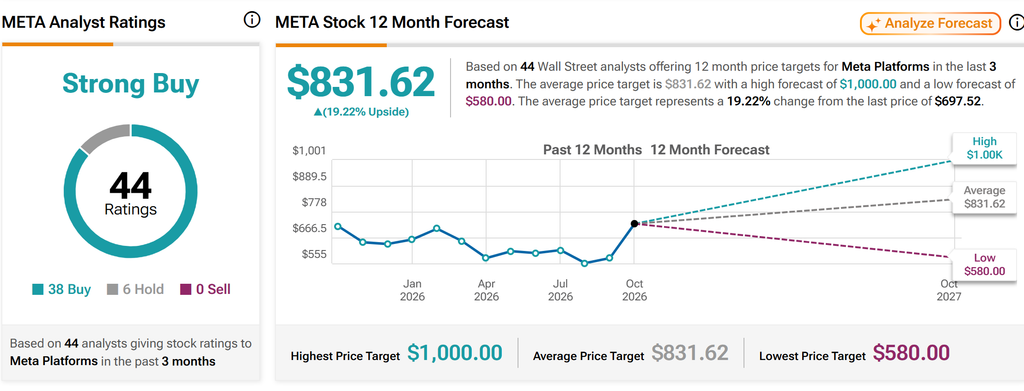
According to TipRanks Meta forecast, the stock may hit a new high of $1,000 in the next 12 months, with an average price target of $831 reported by the platform.
“The average price target for Meta Platforms is $831 This is based on 44 Wall Street analysts’ 12-month price targets, issued in the past 3 months. The highest analyst price target is $1,000.00, and the lowest forecast is $580.00.”
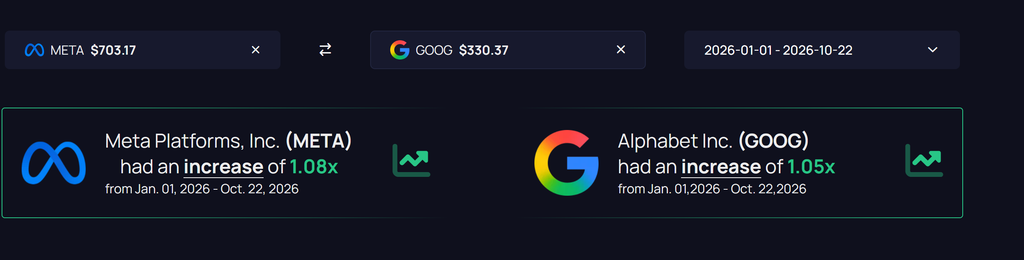
According to the MarketCapOf comparison tool, Meta stock recorded a 1.08x increase from January 1 to October 22, 2026, compared with a 1.05x increase for Alphabet (Google).
Meta Class C shares give Zuckerberg room to keep funding AI without giving up the votes that let him steer the company. Whether that helps the Meta stock price depends on how Meta uses the new class, since any future sale of Class C stock would raise cash but also spread Meta stock earnings across more shares.
Also Read: Nvidia Expands Telecom AI Push as Firmus Funding Talks Emerge

Written by Juhi Mirza
Juhi Mirza is a crypto journalist and writer covering digital assets, blockchain, markets, and emerging trends in the Web3 industry.