








Stocks
October 28, 2026
Amazon Stock Gets $348 Target as Globalstar Deal Clears FCC, Costs Mount

The Boeing stock is encountering heavy pressure at present, as it battles operational delays and production issues. The aircraft maker has given investors a delayed timeline, presenting a slower plan for increasing production output. As a result, Boeing stock fell 9.6% on October 27, after its CEO Kelly Ortberg outlined the company’s plan during its third-quarter earnings update. What is the next possible outlook for Boeing stock as it combats growing market pressure and changing investor sentiment?
Also Read: Broadcom (AVGO) Stock Gets $400 Target After $63B Anthropic AI Chip Deal
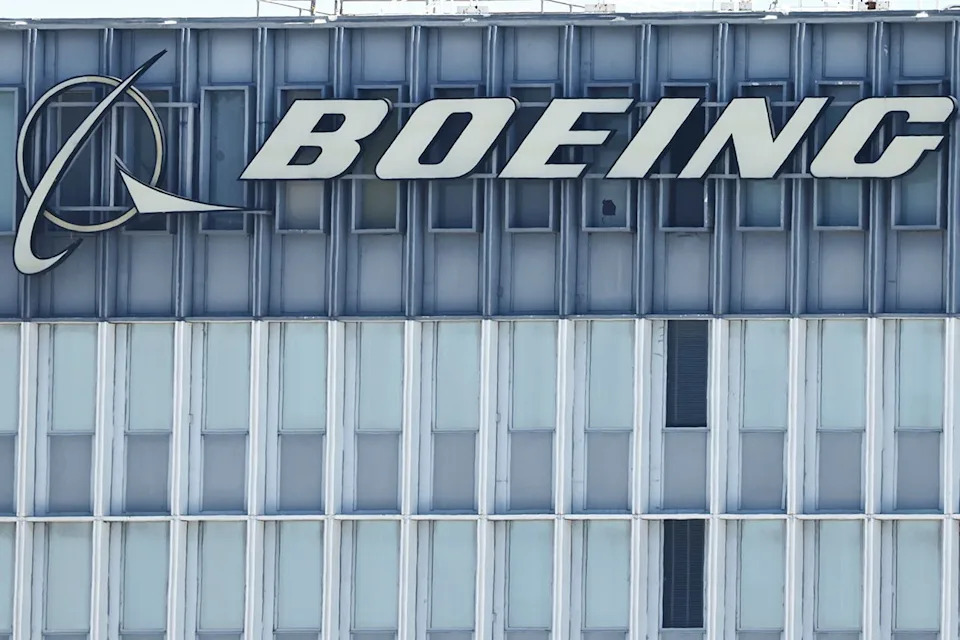
One of the primary reasons for Boeing’s stock crash at present can be attributed to the production pace of Boeing 737 aircraft. The company now expects to stabilize output at 47 aircraft per month in early 2027. Boeing is also planning to raise monthly production to 52 by the second half of next year, with the firm adding that its wing production and fuselage manufacturing need greater consistency.
Boeing revenue depends on how fast its product deliveries can be made. However, increasing output too quickly may end up creating further issues. Ortberg later added that the company wants to make sure production ramp-ups are stable rather than pushing aggressively to hit a particular monthly target.
Also Read: Binance Seeks License, Delists 22 Tokens as Brazil Markets Plunge After Lula’s Win
In addition to the production delays and hurdles, Boeing has also pushed its target of generating $10B in annual cash flow to 2029, one year later than previously expected. The company now expects free cash flow of $2B in 2026 and $3B in 2027.
This has led investors to weigh their options, as they were looking forward to knowing when Boeing can generate enough cash to fund its operations and meet its financial obligations. A slower recovery does not necessarily mean that the company’s plan has failed. But it does show how shareholders may have to wait longer to see the expected results.
The latest Boeing stock crash reflects concerns about the timing of its recovery and cash flow outlook. Investors were looking forward to witnessing steady progress in aircraft deliveries and cash generation. However, its revised targets suggest that supply-chain and manufacturing issues might limit how quickly it improves its financial performance.
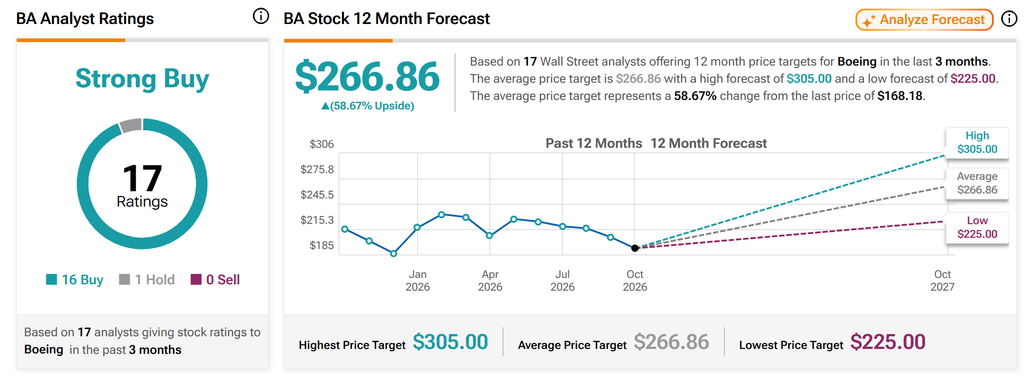
According to TipRanks, Boeing stock forecast, BA may hit a new high of $305 if it manages to stay afloat and consistent in the near future. The platform also issued a low of $225 and an average price of $266 for the BA stock.
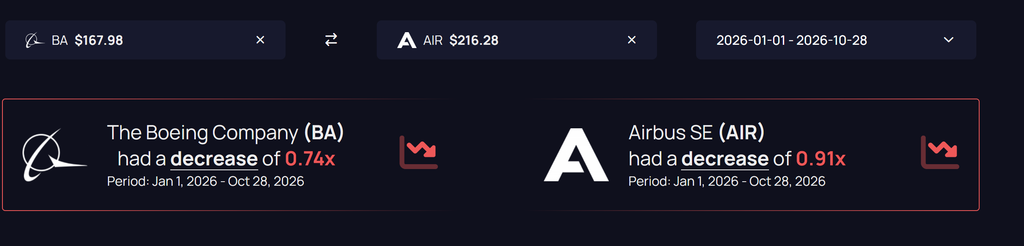
According to the MCO ROI comparison tool, Boeing stock (BA) recorded a 0.74x decrease between January 1 and October 28, 2026, while Airbus (AIR) saw a larger 0.91x decrease over the same period. Both aircraft manufacturers experienced declines, with Airbus underperforming Boeing in this comparison. The figures highlight the stock performance of both companies amid production challenges and uncertainty surrounding the aviation industry‘s recovery.
Also Read: Bitcoin Volatility Falls Below Major Stocks as Institutions Eye Greater Ownership. Is BTC Maturing?

Written by Juhi Mirza
Juhi Mirza is a crypto journalist and writer covering digital assets, blockchain, markets, and emerging trends in the Web3 industry.