




Markets
October 15, 2026
Can HYPE Price Reach $100 as Hyperliquid Founder Pitches Wall Street Trading Model?
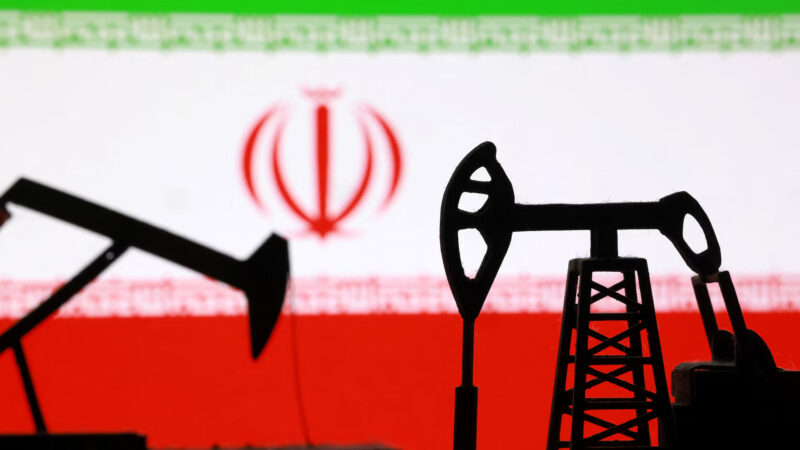
Oil markets are banking on a small dose of optimism, documenting a decline in their prices. The oil price market optimism has resulted from trending Iran and Qatar talks, as both nations continue to hold talks on opening the Strait of Hormuz. This development has led the oil prices to fall, with Brent crude trading at $87 a barrel, with WTI trading at $81.86. At the same time, Washington has now decided to step back from taking any military action against Iran. The US has now decided to shift its focus toward economic pressure on Iran, giving traders another reason to reassess the risks attached to the crude oil.

For months the US-Iran conflict has continued, with periods of intense military action. This development is now on hold per the latest update by the Arab weekly. The oil market outlook is relaxing, as Washington has now announced it plans to hold military action for now. The US secretary of state Marco Rubio reportedly told allied nations’ foreign ministers that the US is not currently expected to launch new strikes against Iran.
Instead, the administration is interested in pursuing an economic pressure strategy against Iran. The US is now planning to put economic pressure on Iran. This approach will stay in focus till the midterm elections in November per the latest report. However, the country may engage in military warfare as well if Iran retaliates in any way.
Arab weekly later shared how the US is now sending diplomats back to their embassies in the Middle East. This is another sign of de-escalation, promoting oil markets to further relax a bit. However, the development does not confirm that the war premise has completely been vanquished.
Also Read: Trump’s Portfolio Gets a SpaceX Boost While Oil Bets Deliver Millions, Here’s What Else He Owns
The Strait of Hormuz remains the central part of the evolving oil market dynamics. Before the war, Reuters reported how 20M barrels a day were passing through Hormuz. Recent flows disrupted due to the war have led to the fall of this number, with nearly 5M barrels a day now passing through Hormuz.
The platform later shared how Iran and Oman are also working on arrangements concerning control of the Strait of Hormuz. Qatar is also pursuing broader diplomatic efforts involving Iran and the US, with its prime minister expected to travel to Iran for talks.
However, such development should not be labelled as temporary oil resolutions. Reuters noted that the Middle East is still a heavy conflict zone for oil market dynamics. Recently the Russia-Ukraine war has ended up damaging refining capacity and disrupting diesel supplies. The US distillate inventories have also fallen by 2.2M barrels in the week starting from Aug 21, reaching 103.4M barrels. While it seems that the oil market is relaxing, the core concepts remain unchanged. A successful diplomatic push and a meaningful reopening of the Strait of Hormuz could provide the clearest path toward easing the supply pressure.
Also Read: Bitcoin Price Dips Below $80K, While BlackRock Moves $5B Into Tax-Deferred IBIT Swaps

Written by Juhi Mirza
Juhi Mirza is a crypto journalist and writer covering digital assets, blockchain, markets, and emerging trends in the Web3 industry.