






Markets
October 7, 2026
Cardano Price Climbs 42% Amid 413 Whale Transfers and Programmable Token Launch

A tool used to manage leveraged Aave positions has left two wallets at a loss. This comes as Aave Labs presses Europe to rethink how it regulates decentralized finance. The Aave-linked exploit drew attention to the permissions users grant software connected to their funds. Meanwhile, the protocol has passed a major borrowing milestone.
Also Read: Cramer Says Buy AAPL, Calls iPhone Duo “Amazing” as Production Hits 60% Yield

SlowMist recorded approximately 114.09 ETH in losses, worth about $305,000, following an attack on FlashLoopAdapter. The contract was used with Aave V3 positions held in two Safe multisignature wallets.
Its authorization checks could be fooled, allowing the attacker to execute unauthorized transactions through the affected wallets. SlowMist said a Morpho flash loan was also used to repay the wallets’ Aave debt, release collateral, and drain weETH.
The findings identify a weakness in the adapter. They do not establish a vulnerability in Aave’s core lending contracts. This is important because users can interact with a lending protocol through separately developed tools, each carrying its own permissions and risks.
Also Read: Anthropic Eyes November IPO, $42B Loan as Trump Says the US May Take a Stake
In its recent policy submission, Aave Labs urged the European Commission to regulate parties that actively control financial services while opposing licensing requirements for open-source software. Aave’s MiCA recommendations also defend users’ ability to hold and lend assets through self-custodial wallets.
Lending returns are another point of contention. Aave Labs wants policymakers to distinguish payments made by borrowers for using stablecoins from interest paid merely for holding them. It argues that extending restrictions to lending would reduce savers’ options and undermine euro stablecoins’ usefulness.
These remain recommendations submitted to a consultation. They have not become new EU rules, and the submission predates the public exploit alert.
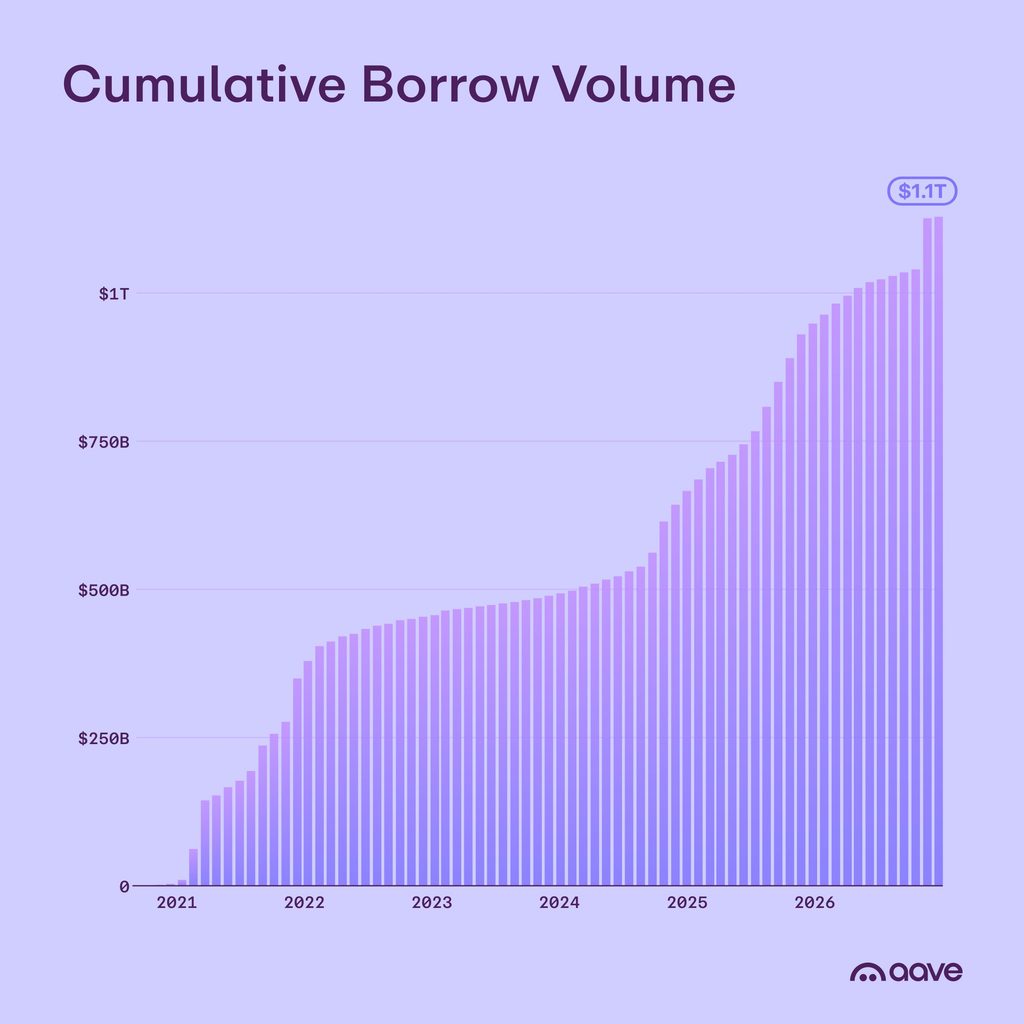
Aave announced that cumulative borrowing had reached $1.1 trillion. The figure counts borrowing across its lifetime, rather than loans currently outstanding.
The Aave price stood near $182 on October 2, with data showing a 26.3% gain over seven days. This performance alone cannot establish how traders reacted to the exploit.
For the affected wallets, the immediate issue is the adapter’s access to their assets. For policymakers, the harder task is assigning obligations across services built from several independent components. Aave’s growing borrowing activity makes both questions harder to leave unresolved.
Also Read: ETH and XRP Sentiment Drops Below 1.0, Could October Bring a Price Reversal?

Written by Sahana Kiran
Sahana Kiran has been covering financial markets since 2019, with a focus on cryptocurrencies, fintech, and the geopolitical events shaping them. She previously reported for AmbCrypto and Watcher Guru, and now writes for BlockNow.