







Markets
October 15, 2026
Can HYPE Price Reach $100 as Hyperliquid Founder Pitches Wall Street Trading Model?

Copper is having a huge year. The metal is up about 50% over the past 12 months, well ahead of the S&P 500’s roughly 19% gain, and it has now pushed to a new record. But this move has caused the community to question where the next wave of copper supply will come from. One recent analysis suggests miners may need prices above $10,000 a ton to make enough new production worth pursuing.
Also Read: Coinbase Moves Bitcoin Into Mortgage Territory as the US Home Market Stumbles
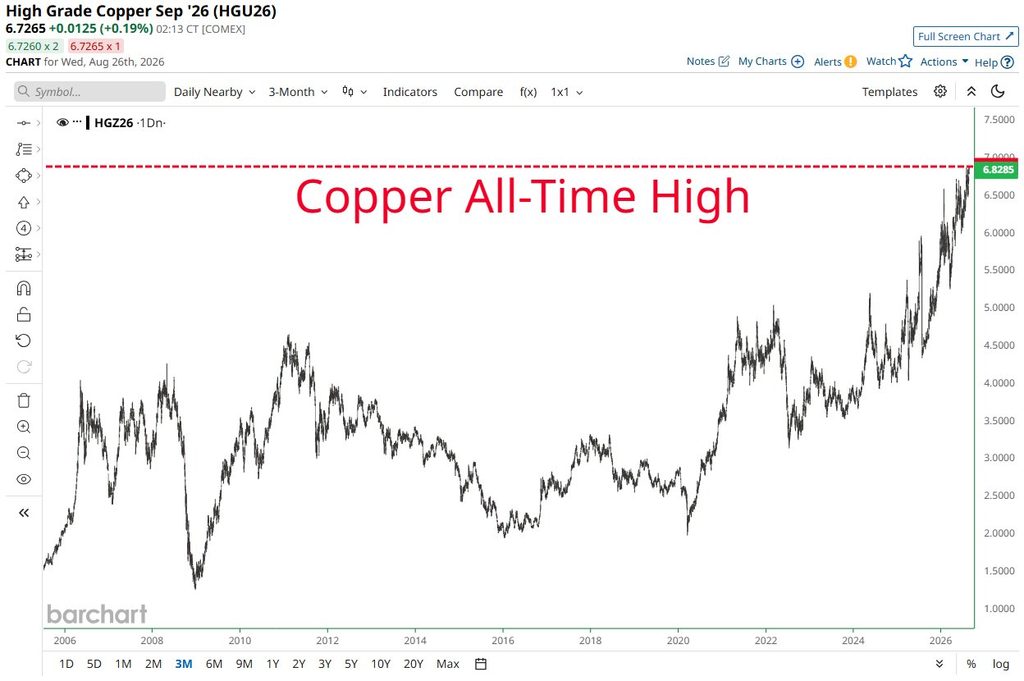
The latest jump has pushed copper to record levels, with prices on the London Metal Exchange recently reaching about $14,343 a metric ton. It was reported that the move has been driven partly by expectations around US copper tariffs. This has encouraged large shipments into the country and pulled inventories away from other markets.
But the performance is hard to miss. Copper has gained around 50% over the last year, according to market data. Meanwhile, the S&P 500 has returned about 19%.
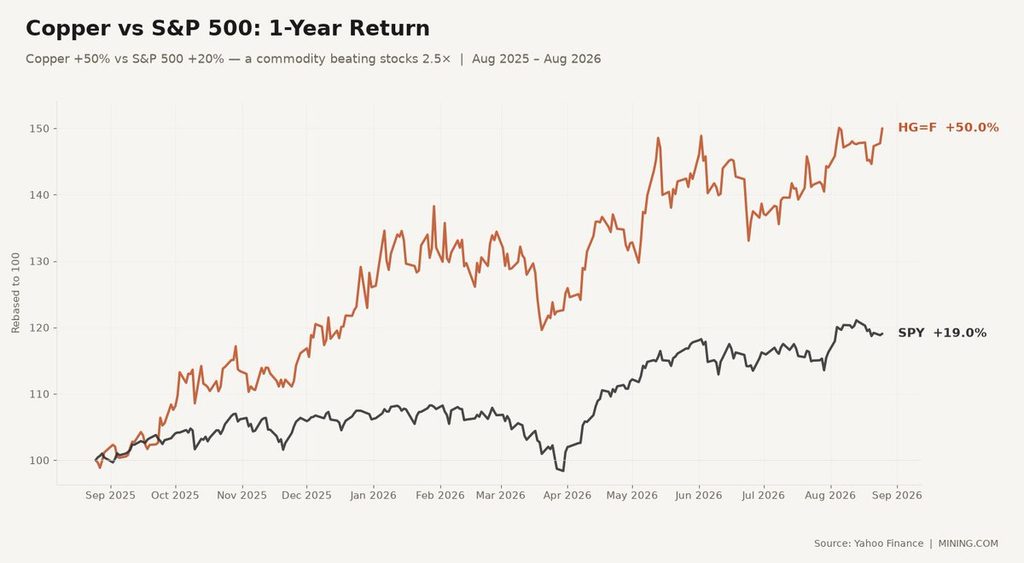
This makes copper one of the standout trades of the past year. But it also raises a more practical question of what happens when miners need to respond to all this demand?
A study of 27 copper projects cited in the market discussion puts the hurdle at roughly $10,000 a ton for enough new projects to support future supply growth. The same analysis estimated that an average price of around $8,600 would produce a 15% internal rate of return. Meanwhile, prices above $12,000 could make more projects economically attractive.
This is a problem because new mines do not appear quickly. The IEA estimates that it takes an average of 17 years to move a copper project from discovery to production. Ore grades have also fallen sharply, while project costs have risen. Based on projects currently in the pipeline, the agency sees a potential 25% copper supply gap by 2035.
So the $10,000 level matters for more than traders watching a chart. It could help determine whether miners have enough incentive to spend billions on the next generation of supply.
In addition, copper is used a lot across power grids, construction, electric vehicles, and data centers. The AI boom is adding another layer as companies build out the electricity infrastructure needed to run these data centers.
The IEA expects global data-center electricity consumption to roughly double from 2024 levels to around 945 TWh by 2030.
Also Read: Trump’s Portfolio Gets a SpaceX Boost While Oil Bets Deliver Millions, Here’s What Else He Owns

Written by Sahana Kiran
Sahana Kiran has been covering financial markets since 2019, with a focus on cryptocurrencies, fintech, and the geopolitical events shaping them. She previously reported for AmbCrypto and Watcher Guru, and now writes for MarketCapOf.