







Stocks
September 25, 2026
Oracle Stock Falls 3.4% on Power Delay Fears as Japan Unit Jumps 7%
AMD stock ended Thursday with a 6.36% gain, yet the close landed beside a less comfortable report for buyers. AMD chip prices may be heading roughly 10% higher. Intel stock also rallied, even as its chief described a memory market that is becoming far more expensive. AI demand is still carrying semiconductor shares, but the bill for that growth is beginning to surface in unexpected places across the chip supply chain.
Also Read: SEC Tokenized Equity Trading Gets 5-Year Exemption, S&P Global Buys OpenZeppelin
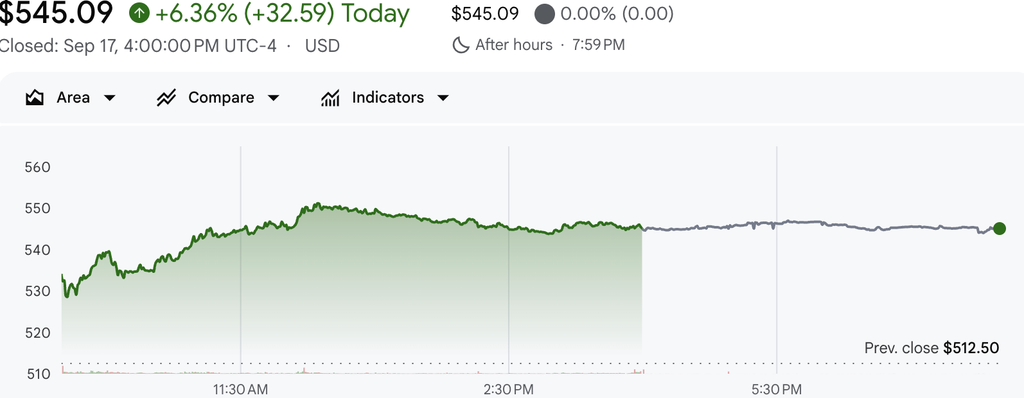
AMD finished the September 17 session at $545.09, up from the previous close of $512.50. The advance brought the shares closer to their 52-week high of $584.73.
It was hardly an isolated move. The Philadelphia Semiconductor Index rose 3.1%, while Nvidia gained 2.5% and Micron added 5.5%. Reports linked the rebound to renewed confidence in AI data center spending.
The stock rally arrived just as reports pointed to higher prices across AMD’s portfolio. Latest reports revealed that the company had notified partners of a roughly 10% increase covering products such as graphics cards and motherboard chipsets. The adjustment could take effect during the fourth quarter.
AMD has yet to publicly confirm the report, so the size and reach of the increase remain uncertain. But the cost pressure behind it is less surprising. A broader TSMC price hike has been in view for months, with the foundry discussing increases of up to 10% for some advanced manufacturing services in 2027.
For AMD, passing on some of that expense may protect margins. PC builders and consumers would then face the tougher side of the calculation.
Also Read: Crypto Wealth Hits 742M Holders as Vitalik Makes 90% Net Worth Bet on Crypto Security
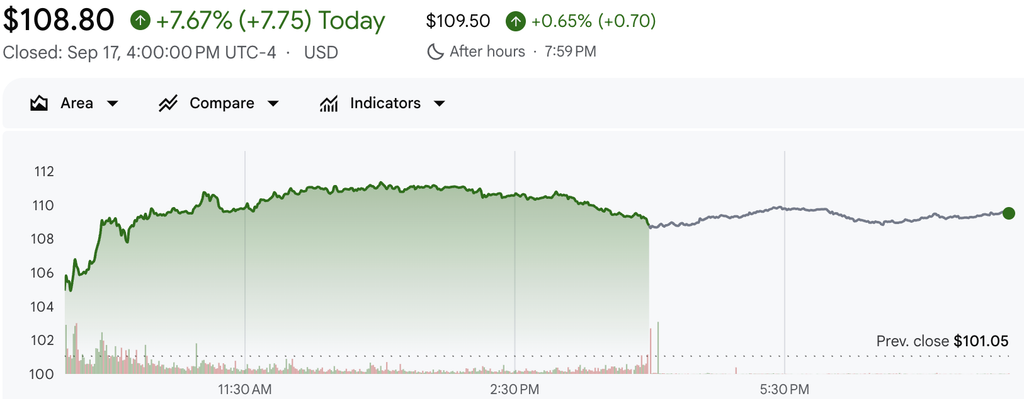
Intel stock gained about 7.7% during the same semiconductor rebound. Behind that rise, CEO Lip-Bu Tan offered a blunt assessment of the memory shortage.
Tan said some memory prices had climbed five to seven times as limited supply struggled to keep pace with AI demand. He warned that memory can now represent roughly 75% of the cost of certain lower-end phones and laptops, with conditions potentially worsening in 2027.
Smaller manufacturers are already redesigning devices, checking components for counterfeits and passing costs to customers.
Investors are still rewarding the companies tied to AI infrastructure. For hardware buyers, the same demand is producing a very different experience with scarcer components, higher manufacturing bills, and fewer places to avoid the increase.
Also Read: Broadcom Stock Gets Cheaper as AI Revenue Heads to $230B, BofA Sees $3.2T Chip Market

Written by Sahana Kiran
Sahana Kiran has been covering financial markets since 2019, with a focus on cryptocurrencies, fintech, and the geopolitical events shaping them. She previously reported for AmbCrypto and Watcher Guru, and now writes for BlockNow.