



Stocks
September 25, 2026
Oracle Stock Falls 3.4% on Power Delay Fears as Japan Unit Jumps 7%
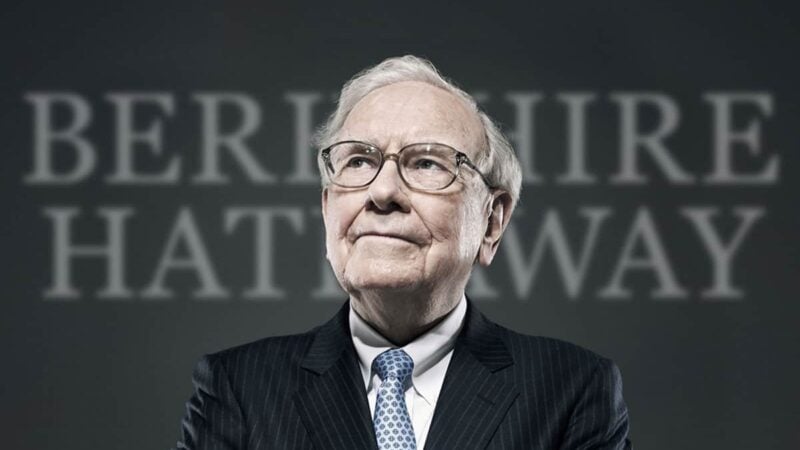
Berkshire Hathaway stock fell about 2% on Friday as Warren Buffett closed the final chapter of an extraordinary leadership run. The move had been prepared for years, yet investors are now confronting something Berkshire has never faced at this scale, a company worth roughly $1 trillion operating without Buffett in either of its two top positions. The question is no longer who succeeds him, but whether Berkshire’s system can outlast its architect.
Also Read: OpenAI Reveals AI Safety Incidents as Sam Altman’s World Launches Stablecoin Super App
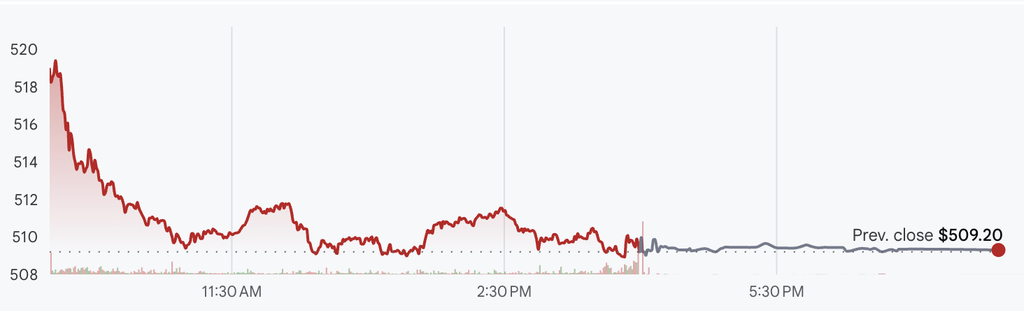
Berkshire’s Class B shares fell 2.04% to $509.20 following the announcement. The decline adds to a subdued year for the conglomerate. The stock has gained only around 1% in 2026, while the S&P 500 is up more than 11%.
Buffett, 96, becomes chairman emeritus effective immediately and will remain a director, according to Berkshire Hathaway’s official announcement. Howard Buffett, his son and a board member since 1993, becomes the new Berkshire Hathaway chairman.
The change ends Warren Buffett’s 56 years as chairman, although he has led Berkshire since taking control in 1965. Under his watch, the company grew from a failing textile operation into a collection of insurance, railway, energy, manufacturing and retail businesses with nearly 400,000 employees.
Also Read: Zcash Price Surges 17% as Liquidations Hit $56M, NU7 Targets November
Howard Buffett will oversee the board, but responsibility for running Berkshire remains with CEO Greg Abel. Abel took over the top executive position more than nine months ago and has already been making the company’s major operating and capital-allocation decisions.
Buffett wrote to shareholders,
“Greg runs the company; Howard will guard its culture and values.”
He described Howard as a form of insurance for Berkshire’s owners, while praising Abel for exceeding expectations in the CEO role. The division will matter as Abel decides how to use Berkshire’s $365.5 billion cash reserve.
Shareholders have been waiting for larger investments, acquisitions, or buybacks. Berkshire repurchased $4.5 billion of its own shares during the second quarter, showing that Abel is prepared to deploy some of that capital when the valuation is attractive.
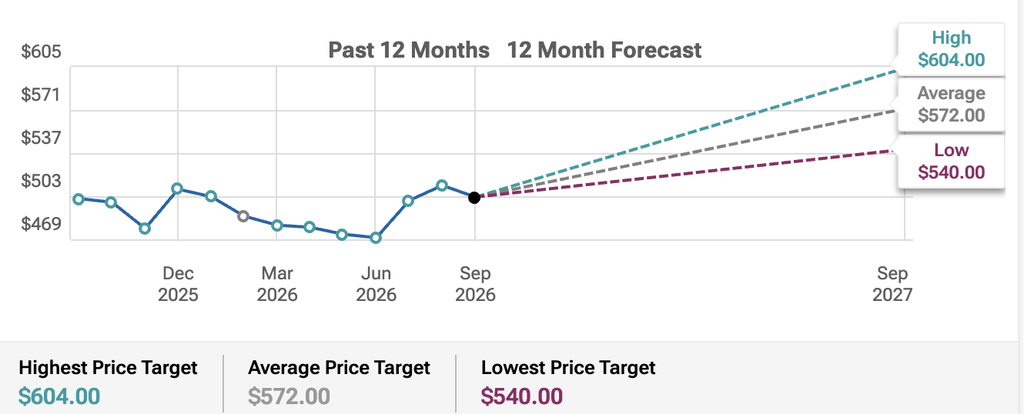
The analyst outlook remains positive despite the immediate drop. TipRanks places the average BRK.B stock target at $572, implying 12.33% upside from $509.20. The two available targets range from $540 to $604, so the consensus rests on a very small sample.
Buffett leaves behind a record few executives could approach. Berkshire delivered a compounded annual return of 19.7% under his leadership, nearly twice the S&P 500’s rate.
The structure is now clear. Abel manages the money, Howard protects the culture, and Buffett remains nearby as a director. The stock’s reaction shows that investors still need to decide what Berkshire is worth when its most valuable advantage can no longer be measured by Buffett’s title.
Also Read: Bitcoin ETF Inflows Turn Positive at $159M as Fewer Holders Sit at a Loss

Written by Sahana Kiran
Sahana Kiran has been covering financial markets since 2019, with a focus on cryptocurrencies, fintech, and the geopolitical events shaping them. She previously reported for AmbCrypto and Watcher Guru, and now writes for BlockNow.