




Bitcoin
October 22, 2026
Bitcoin Still 34% Below ATH After 43% Rebound. What Factors Could Drive the Next BTC Rally?
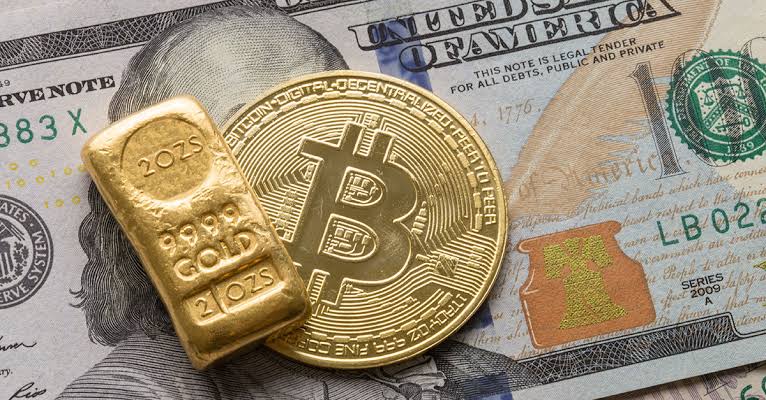
Bitcoin and gold are encountering new issues as of late. Both assets have fallen by 7.3% and 7.5%, respectively, as markets assess interest-rate expectations ahead of the upcoming Fed decision. The declines have now renewed this debate over whether investors should favor Bitcoin’s long-term returns or gold’s role as a traditional inflation hedge.
Also Read: Ethereum Price Drops as Hayes Sells $22.3M and Exchange Outflows Surge

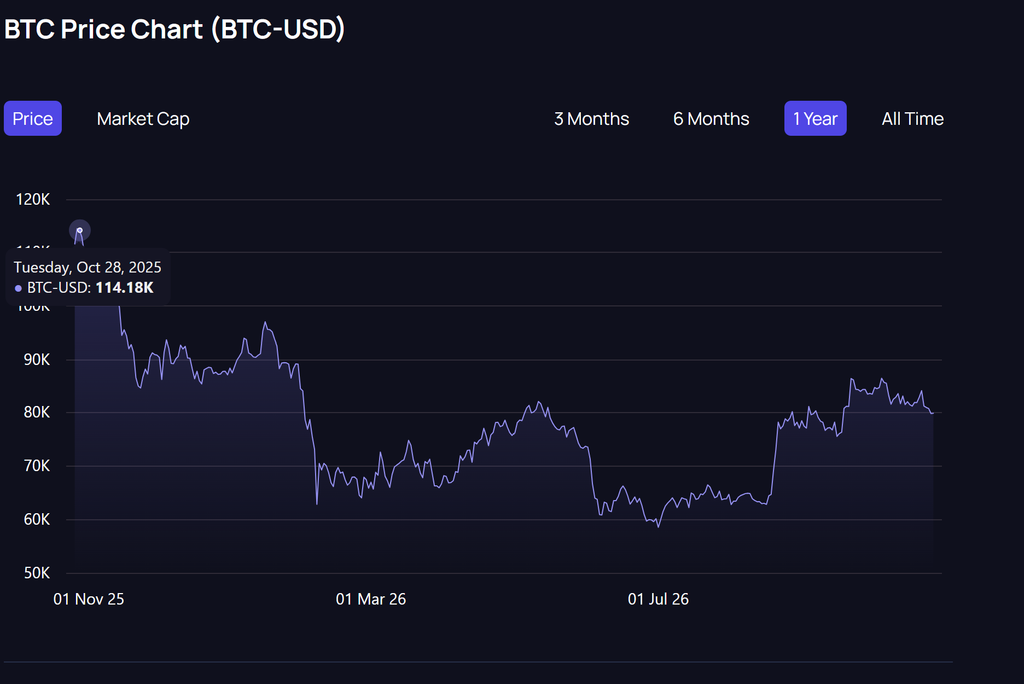
Bitcoin and gold have both struggled to hit new highs this year. Both assets had a stellar 2025, with BTC reaching around $120K and gold climbing above $5K, but that momentum has faded in 2026. Per the latest Bitcoin price chart shared by MCO, bitcoin has had a rocky 2026, with the token battling high volatility.
However, the latest figures have put them among the weakest-performing asset classes in 2026.
“Bitcoin (-7.3%) and gold (-7.5%) are the TWO WORST performing major asset classes so far in 2026. This is a HISTORIC FIRST, per Chief Market Strategist Charlie Bilello at Creative Planning. Yet, since 2011, $BTC has delivered the HIGHEST annualized return among tracked assets at 120.6%, while gold has returned 6.3% annually. Gold also surged 63.7% in 2025, making its current decline a sharp reversal. Despite their strong long-term performance, both assets are now trailing stocks, bonds, and even cash in 2026.”
Gold has had a particularly strong run in 2025, rising by 63.7%. Its recent decline shows how safe-haven assets are also prone to sentiment shifts and market changes after a strong rally.
Bitcoin has lately been experiencing strong volatility, as interest in risky assets continues to slow down. However, the asset has managed to deliver the highest annualized returns over the historical period cited, making the Bitcoin and gold debate interesting and worth keeping an eye on.
Also Read: Apple Briefly Tops Nvidia as iPhone Duo Launches and Sell Signal Flashes
Bitcoin’s long-term returns continue to be a trending topic among experts. A recent analysis presented by Michaël van de Poppe compared the annualized returns of Bitcoin with gold. Bitcoin has delivered around 120% annualized returns since 2011, while gold has returned around 6% annually over the same period.
However, this analysis comes with another striking part. BTC has managed to deliver better long-term gains over historical periods, but its investors have also had to face steep drawdowns.
“Bitcoin’s return is annualized 120% since 2011. Gold’s return since 2011, even though it has seen a massive surge last year: 6%. That’s why you’ll bet big on #Bitcoin when it’s undervalued against gold. That’s why now is the time to accumulate more Bitcoin and rotate that later towards Gold, in 1-2 years, when Gold is done with its correction.”
Gold, on the other hand, has had a longer track record as a store of value and as an inflation hedge, which has helped investors preserve their wealth.
Inflation is an important aspect to consider in the Bitcoin and gold debate. The Bitcoin price and gold price can fluctuate amid inflationary pressures and changing economic conditions. When prices rise and money loses its purchasing power, investors often look for assets that they believe can help preserve their wealth. Gold has traditionally played this role. With its limited supply, BTC has also become part of this narrative.
Also Read: Amazon CEO Says 2027 AWS Capacity Largely Booked as BofA Keeps Microsoft’s $600 Target
However, inflation alone cannot push an asset higher or lower. Interest rates, bond yields, the US dollar, and investor demand also play an important role in determining asset prices. This means investors may have to consider more than inflationary factors when deciding which asset to buy.
Van de Poppe believes investors should accumulate Bitcoin because of its higher historical annualized returns and its potential value relative to gold. However, this remains his market outlook, and the final decision rests with investors after they evaluate their long-term goals and risk tolerance.

Written by Juhi Mirza
Juhi Mirza is a crypto journalist and writer covering digital assets, blockchain, markets, and emerging trends in the Web3 industry.