








Markets
October 27, 2026
HYPE Price Gets $120 Target as Kraken Parent Firm Plans US Hyperliquid Markets

The oil price is pushing back toward $100, but the bigger strain is beginning to show further down the supply chain. Brent crude climbed near $95 on Tuesday as shipping through the Strait of Hormuz remained severely restricted, while diesel prices and refining margins continued to rise. Crude is still finding its way onto the market through alternative routes. But turning those barrels into enough diesel is becoming a much tougher problem.
Also Read: Bitcoin Stock Correlation Drops to 2015 Levels as Whale Profits Hit $9.07B
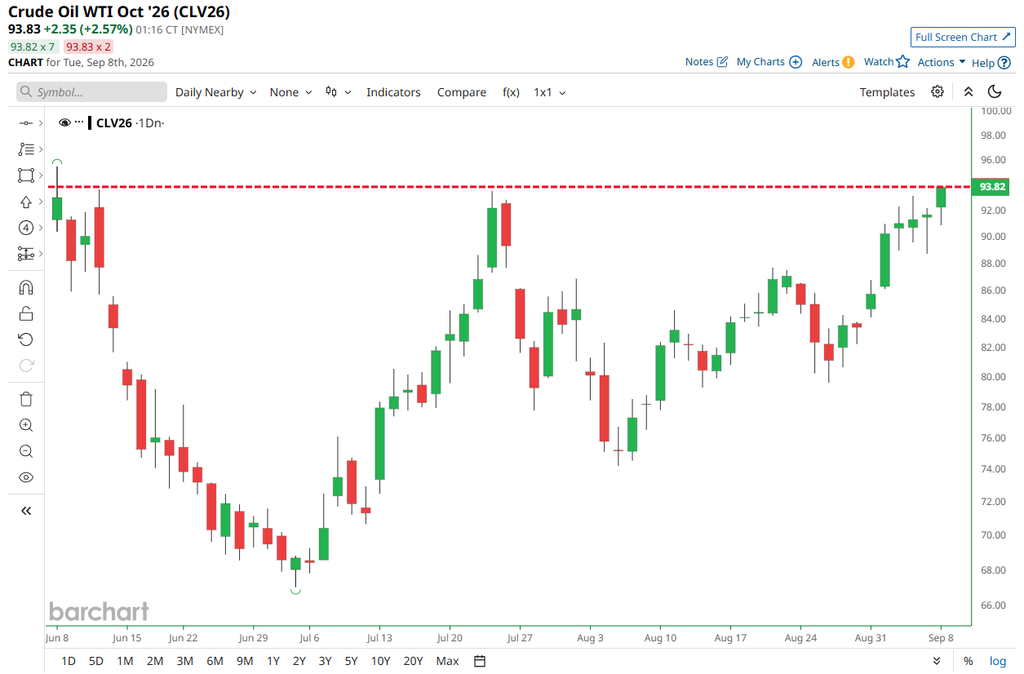
WTI rose more than 3% to around $94 a barrel on Tuesday, extending gains after settling at $92.65 a day earlier. Brent crude moved closer to the $100 mark after reaching $97.31 on Monday, its highest settlement since July 24.
The move points to just how much Middle Eastern supply has disappeared from normal shipping routes. Regional crude shipments have dropped from roughly 18 million barrels per day before the conflict to around 11 million bpd. Recent Strait of Hormuz flows have fallen below 2 million bpd on some days, although their moving average remains closer to 4 million to 5 million bpd.
Traffic remains thin. Kpler data showed only seven commodity vessels passed through Hormuz on Monday, compared with eight on Sunday. Goldman Sachs has since raised its December crude oil price forecasts, expecting disruptions to last longer than previously anticipated.
Also Read: XRP Futures See 6-Month High as XRPL Batch Upgrade Waits for More Validator Support
The squeeze is sharper in refined fuels. Industry executives estimate roughly 4 million bpd of diesel supply has been lost from Russia and the Middle East as wars disrupt refining operations. Diesel crack spreads, a measure of the profit from turning crude into the fuel, have surged to a record $108.02 per barrel.
US refiners are already running close to full capacity, leaving little room to quickly replace those missing barrels. Vitol expects the shortage to keep global diesel supply tight through winter. Vitol CEO Russell Hardy said,
“There’s really a shortage of products because we’re missing 2 million barrels a day from Russia, and we’re missing nearly 2 million barrels a day from the Middle East.”
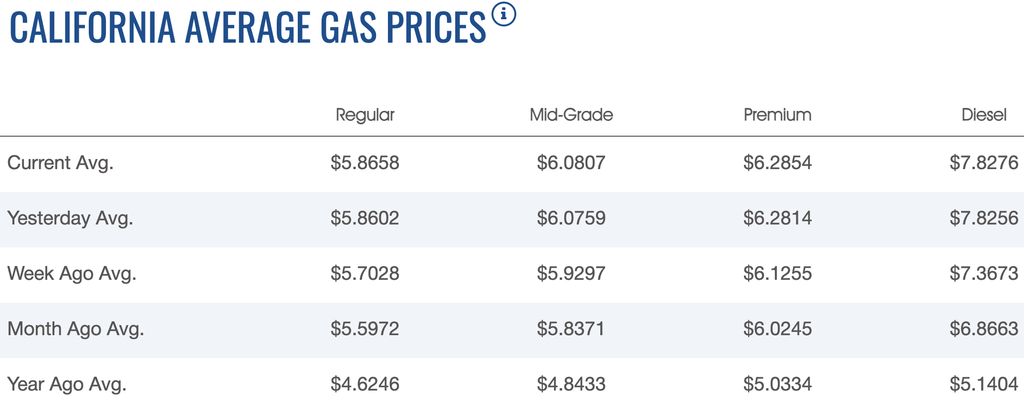
Consumers are already feeling it. AAA data shows California’s average diesel prices at roughly $7.83 a gallon, up from $5.14 a year ago, a jump of more than 50%.
For now, alternative pipelines, non-OPEC production and softer demand have kept WTI oil prices and Brent from moving substantially higher. With Hormuz traffic still restricted and diesel inventories under pressure, the next leg of the energy shock may increasingly be decided at refineries rather than oilfields.
Also Read: Nvidia Stock Rides $99 Billion Equity Portfolio as Huang Joins King Charles Summit

Written by Sahana Kiran
Sahana Kiran has been covering financial markets since 2019, with a focus on cryptocurrencies, fintech, and the geopolitical events shaping them. She previously reported for AmbCrypto and Watcher Guru, and now writes for MarketCapOf.