







General Crypto
September 25, 2026
ZEC Outpaces Bitcoin by 14x as Co-Founder Eli Ben-Sasson Stands by $5,000 Call

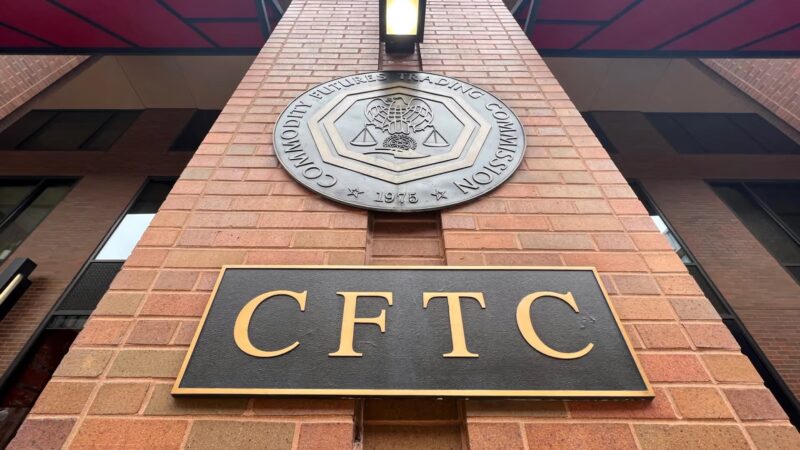
The Clarity Act chatter has been the center of the mainstream crypto market for a long time. However, the act was not able to progress in the US Senate. Instead, two new crypto bills have moved forward in the US House, signaling how crypto regulation is still a leading agenda for the US government.
The House Financial Services Committee has advanced the American Reserve Modernization Act. At the same time, the House Ways and Means Committee has greenlighted the Digital Asset Tax Certainty Act. This development shows how crypto regulation and legislation are still core agendas for the US government to tend to.
Also Read: SpaceX Stock Drops to $144 as Musk Hints at Tesla Merger, Cathie Wood Sees $10T Starship Revenue

The American Reserve Modernization Act, or ARMA, has been advanced by a US House committee. Among the two crypto bills, this one outlines the Bitcoin reserve aspect. The bill is intended to direct the Treasury Department to maintain a Bitcoin storage facility and establish a Strategic Bitcoin Reserve. Other than this, one of the most striking features of the bill is a clause that instructs the government to hold this Bitcoin for a long time.
Bitcoin placed under this Strategic Reserve will generally be held for at least 20 years. The bill also puts restrictions on selling or swapping this Bitcoin to maintain the reserve. At the same time, this bill also calls for greater transparency around government Bitcoin holdings.
Additionally, another leading crypto bill has been approved by the US House Ways and Means Committee. The second one focuses on how digital assets are taxed rather than the regulatory aspect. This bill creates rules covering crypto transactions, mining, and staking, as well as digital asset reporting. One important provision of this bill is focused on crypto reporting. It removes tax reporting requirements for qualifying crypto networks or transaction fees of $10 or less.
The bill assists the mining and staking arena by clarifying the rules of mining and staking income. Both of these crypto bills show how the US government is still taking the lead in curating a standard rulebook for crypto regulation in the US.
Also Read: Gold and Silver Rally Ahead of Fed Decision as Markets Watch for Policy Signals
These developments have occurred at a time when the US Senate has failed to advance the Clarity Act.
In this wake, Democratic Senator Kirsten Gillibrand and six other senators shared how the vote was a setback and that they will continue to work toward advancing it.
“This week was a setback, but not the end of that important work.”
Her statement shows that she intends to continue working towards bringing a standard crypto regulation framework to the US.
Also Read: Deutsche Bank Launches Bitcoin Custody, UK Opens Crypto Licensing September 30

Written by Juhi Mirza
Juhi Mirza is a crypto journalist and writer covering digital assets, blockchain, markets, and emerging trends in the Web3 industry.