








Markets
September 29, 2026
QNT Price Rally Draws $4M in Whale Deposits After Clearing House Deal

Key Takeaways
The Bank of Japan triggered a massive domestic selloff as accelerating rate hikes fueled a historic surge in Japan’s bond yields to 30-year highs, leading local institutional investors to boycott sovereign debt auctions amid extreme monetary policy uncertainty. Simultaneously, persistent treasury yield pressure across the Pacific is pushing US borrowing costs toward restrictive multi-year highs, contracting global liquidity and disrupting international portfolio allocations.
Also Read: Chainlink Price Breakout Rally Sparks 14% Token Surge, Firm Secures Enterprise Software Integrations

Tokyo financial institutions are halting sovereign debt allocations as the unprecedented Japan bond yield surge drives benchmark borrowing costs past the critical 3% threshold. Major domestic life insurers require immediate policy stabilization because rapid BOJ rate hikes continue to trigger heavy losses across fixed-income portfolios.
Local mega-funds are intentionally sidestepping regular debt auctions while local interest rates push toward levels unseen since 1996. This domestic strike intensifies as international capital networks experience a broader sovereign debt crisis that threatens traditional asset havens. Japanese institutional managers are currently leaving offshore allocations static to insulate balances against severe treasury yield pressure across Western financial centers.
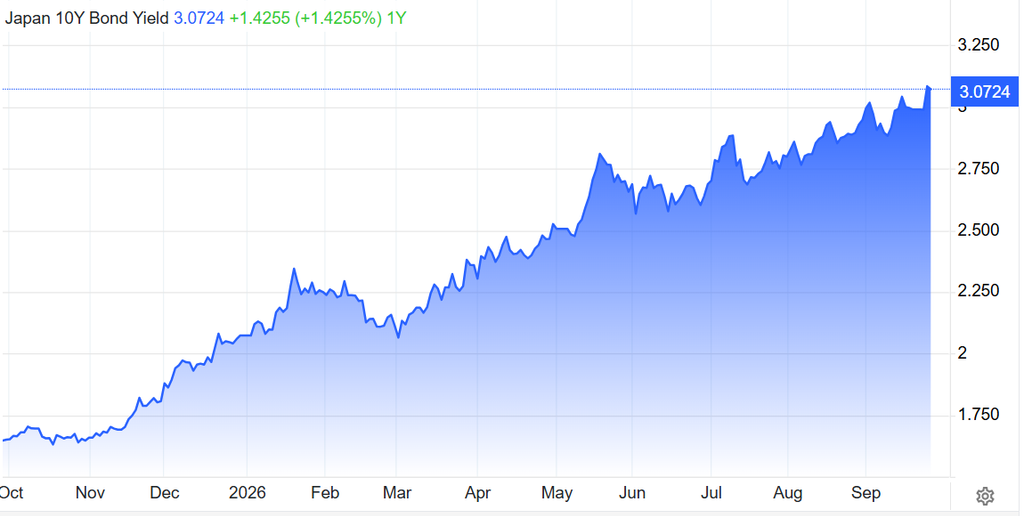
This local asset freeze restricts vital capital flows precisely as global treasury holdings fall internationally, reducing general global market liquidity across major credit channels. Japanese megabanks demand clear forward monetary guidance before redeploying trillions back into local benchmark instruments.
Western fixed-income instruments face severe structural stress. Widening interest rate spreads draw institutional funds heavily toward American debt markets, amplifying localized treasury yield pressure globally. This intense rebalancing disrupts traditional credit networks, starving alternative international registries of vital investment capital while sparking a wider sovereign debt crisis among overextended nations.
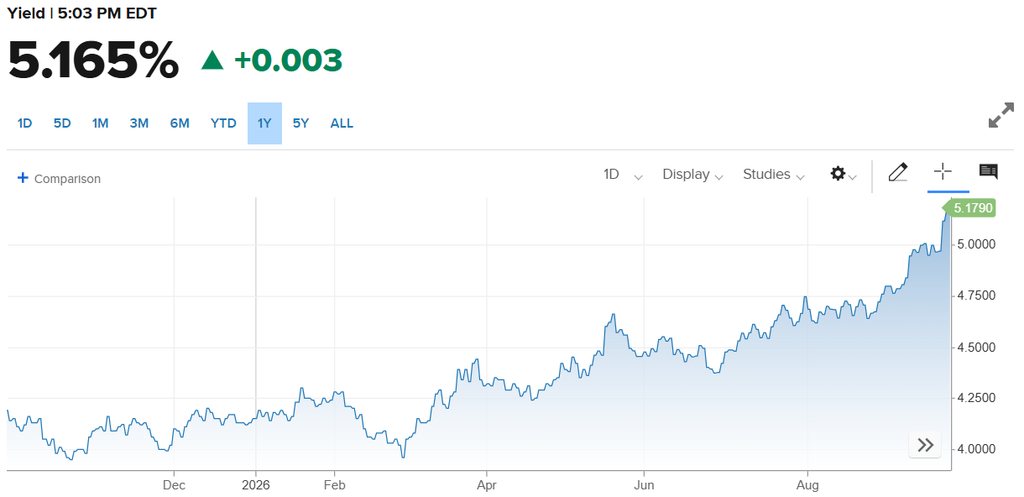
Speculative capital pools are rapidly deserting stable corporate instruments. As an example, the recent bitcoin breakout past $85000 reshaped traditional risk appetites as liquidity leaves conventional bonds. These synchronized asset migrations drain essential cash reserves, severely constricting overall global market liquidity across secondary credit systems. Continued hawkish BOJ rate hikes will further strain these delicate global money movements.

Written by Juhi Mirza
Juhi Mirza is a crypto journalist and writer covering digital assets, blockchain, markets, and emerging trends in the Web3 industry.