P2P Crypto Exchanges Explained: Trading Without a Traditional Order Book
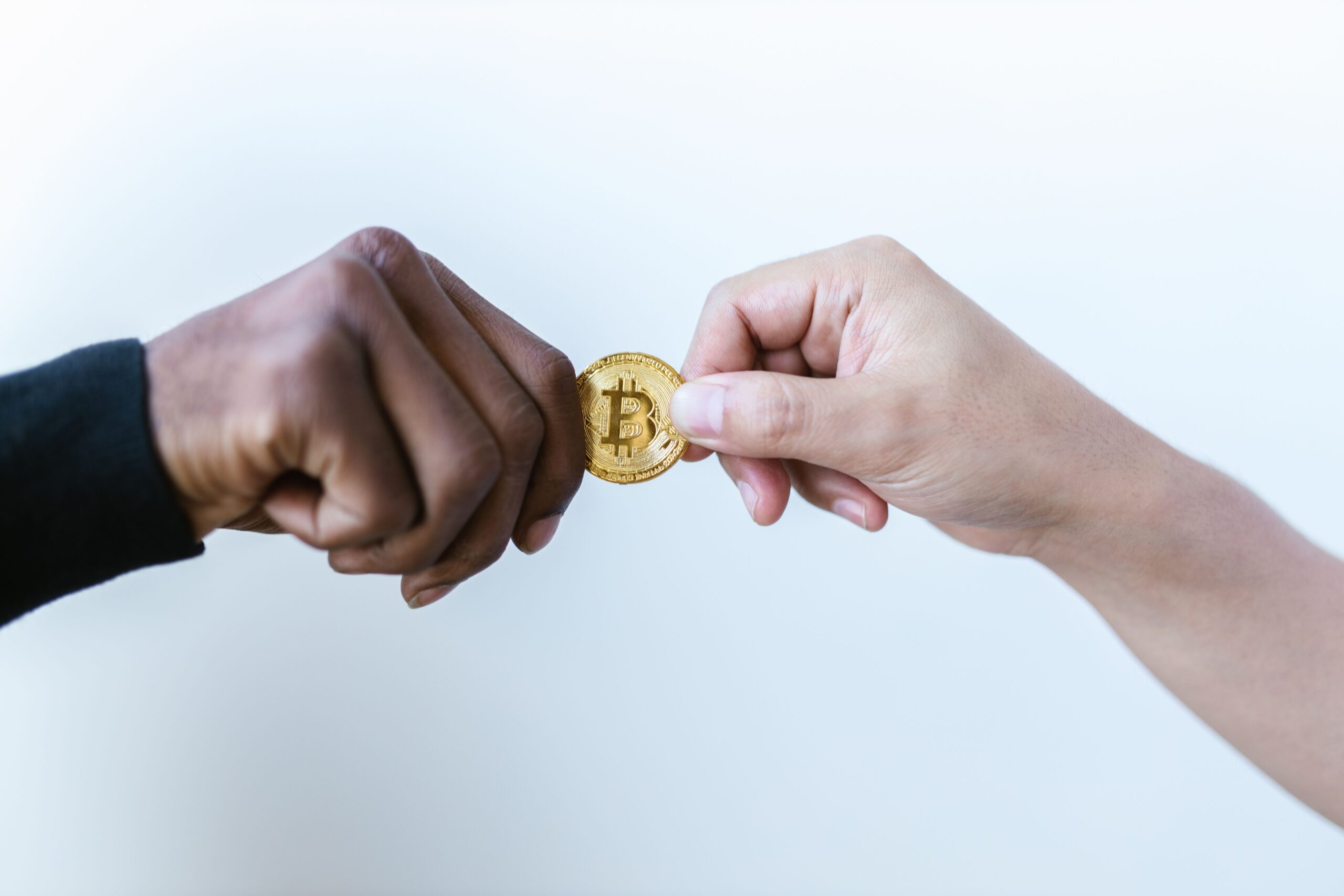
- A P2P crypto exchange lets buyers and sellers trade directly based on agreed prices, payment methods, and transaction terms
- Escrow, user ratings, and dispute-resolution systems can provide additional protection, but P2P trading still carries counterparty and fraud risks
- P2P trading offers greater payment flexibility and accessibility, but users should carefully verify offers and counterparties before completing a trade
Crypto trading has now become diverse with time. Traditional methods of cryptocurrency trading generally include centralized platforms that match buyers and sellers through an exchange-controlled system. This was and is still a popular method of crypto trading. But the times have now changed. There is another method that directly allows users to trade with each other. This is where P2P crypto exchange comes into the picture.
A Peer-to-Peer crypto exchange connects interested buyers and sellers with each other. Instead of relying on an exchange to match every transaction through a traditional order book, users can choose offers based on agreed terms such as price, payment method and transaction limits. But how does this model work based on these crucial factors? Let’s find out.
Also Read: Crypto Transaction Confirmed but Your Balance Is Not Showing
How Do You Trade Through a P2P Crypto Exchange?

A P2P Crypto Exchange is a marketplace where buyers and sellers come together to conduct transactions related to cryptocurrency. For example, if someone is looking forward to purchasing BTC, they can directly view available offers, compare prices and payment methods, and select a suitable trade. The buyer and seller will then connect to complete the trade.
Many P2P platforms offer security rails such as escrow and user ratings, allowing investors to conduct trades with an additional layer of protection. Escrow can temporarily lock the seller’s crypto while the buyer completes the agreed payment. This mechanism is very different from centralized exchanges. In the latter case, the user generally places orders into the exchange order book and then the platform ends up matching those orders with others.
How Does P2P Trading Work?
The process of P2P trading is fairly simple. Firstly, a seller will create an offer specifying his crypto, price, availability, amount and accepted payment method. A buyer will then browse through all options, and select the one that matches his expectations the most.
Many P2P Crypto exchanges often use Escrow as a tool to reduce counterparty risk. Under this, the seller’s crypto is locked temporarily, while the buyer makes the agreed payment.
Once the seller confirms that the payment has been received, the locked amount can then be released. This gives both buyer and seller an additional layer of protection during the trade. However, this exact process may vary between platforms. In such a case, users are advised to check the specific trading and dispute rules before conducting a trade.
Why Do People Use P2P Crypto Exchanges?

One of the key highlights that attract users to engage with P2P crypto exchanges is its payment flexibility. This method allows users to select local payment methods, per their region and platform. Other than that, P2P crypto exchanges also allow users to browse different offers and compare prices for their crypto, which helps users to make the best possible trade decision at their discretion.
Another possible reason for the P2P crypto exchanges to thrive can be accredited to its accessibility factor. P2P markets can be incredibly useful in regions where conventional crypto trading or payment infrastructure is less accessible. However, availability of P2P crypto exchanges depends heavily on regions, countries and platform regulations.
Also Read: Sui vs. Solana: Discover Which is Better for You
P2P Crypto Exchange vs Centralized Crypto Exchange
The biggest difference between a P2P crypto exchange and a centralized crypto exchange is the way they both conduct trades. A P2P crypto exchange will allow buyers to connect with sellers directly. A centralized crypto exchange on the other hand, generally operates via an orderbook. This entails a buyer placing their request in this orderbook, with the central exchange matching that order with the concerned seller later.
With P2P crypto exchange, a buyer gets to choose their trade. For instance, they can browse through multiple sellers, their offers, and payment methods to select what suits them best before initiating the final trade.
It is also important to distinguish P2P platforms from decentralized exchanges. A P2P platform connects individual buyers and sellers, while a decentralized exchange generally uses smart contracts to execute trades on a blockchain. These are two different approaches to crypto trading.
The Benefits Of P2P Trading
Here are key benefits of P2P crypto exchange trading:
- Payment flexibility, which allows users to make use of local payment methods per their regions and countries and the platform.
- Buyers are free to make independent choices, compare offers and select the best course possible.
- P2P crypto exchanges do not rely on a traditional centralized order book to match every trade. This helps buyers to conduct trades directly with sellers.
- These exchanges can be useful in areas where conventional crypto infrastructure is less accessible. Regions with limited crypto infrastructure can gain support through P2P trading.
The Risks Involved
One of the leading risks in P2P crypto exchange is counterparty risk. This trading method involves dealing with other people. So payment disputes, user attempts to manipulate the transaction are some of the widespread risks plaguing the sector.
Other than that, scams, fake payment confirmations, chargebacks, fraud and phishing are also associated risks with this trading method. Escrow can somehow limit the risks involved, but a user should verify payments have actually arrived rather than relying on screenshots, receipts or messages claiming that funds were sent.
P2P trading can also involve lower liquidity or slower transactions depending on the platform, region and offer available. This means users should not assume that every P2P trade will be as quick or liquid as a trade on a major centralized exchange.
Things To Keep In Mind While Using P2P Crypto Exchange
The financial domain is synonymous with attacks, phishing and scams. However, selecting a platform that offers services such as Escrow and a clear dispute-resolution process can help reduce some of the risks associated with this type of trading.
Also Read: SK Hynix IPO Was 7 Times Oversubscribed as Even Top Investors Got Fewer Shares
One simple rule while conducting a trade through P2P crypto exchange is to keep communication and payments within the platform’s approved process. Users should be cautious if a counterparty asks them to move the transaction or communication outside the platform. Another thing a user can do is to conduct a check on the trader’s history. They can check the trader’s completion record, feedback, and other indicators available on the platform before making a trade actively.