Blockchain utility and the next phase of crypto adoption

It’s 2026 and even though crypto is not so hot anymore – blockchain technology is here to stay. Of course, there are still a lot of people following the next token that will pump, what token has the most hype, what to buy for a 10x and many ways to get rich or rekt.
But blockchain is more than that. Blockchain networks created ecosystems with active players in bull markets or bear markets. If we’re looking 10 years back, there were a lot of concepts that were merely a plan then. But now they’re a reality.
Gaming economies onchain, cross-border payments, bridging funds from a network to another and the most revolutionary thing that appeared – Decentralized finance. While these were theories back then, it’s now a reality.
And this helped investors because having a decentralized project means you could easily see the users, the revenue and everything you need to know before investing in that business. It made investing in DeFi projects easier.
And the sector grows almost year by year. For example, a while ago the number of people that were searching for ZBCN price prediction was very low. Due to the rise of DeFi and public onchain economies – the interest went way up in the past period.
The growing importance of real utility
Because investors got tired of memecoins that were pumped today and dumped tomorrow. People started to look for actual ways to earn money using a token, besides buying Bitcoin and keeping DCAing.
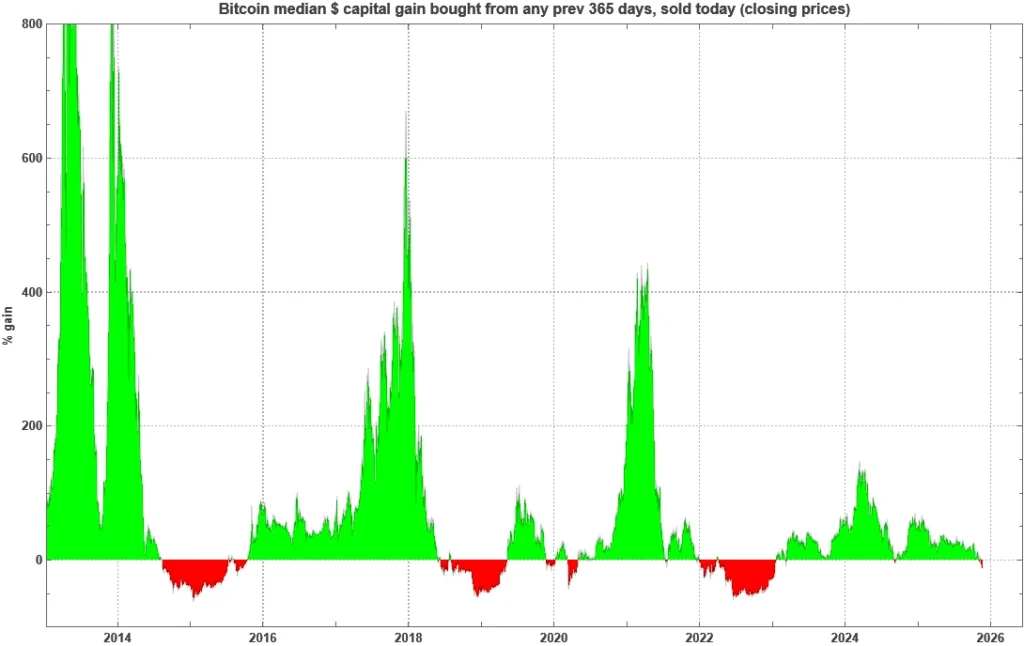
Investors started to look at the onchain numbers instead of promises of a bigger token price in the future. They began to invest in protocols rather than investing in tokens. Why? Because protocol revenue sometimes beats token revenue.
It’s all about utility. If the project is used by a lot of people and it generates revenue – it has a higher chance of succeeding. HYPE is the prime example of this, as it reached a multi-billion dollar market cap with hundreds of millions in revenue from the protocol fees.
Why Cross-Chain Technology Matters
The oldest problem that crypto had to solve was moving funds from a network to another. You had Bitcoin but you wanted to buy some Ripple. How would you do that? Deposit the BTC to an exchange, swap it for USDC, swap the USDC for Ripple and then withdraw the Ripple to your hardware wallet? That’s such a 2016 thing to do.
The demand for moving funds faster between blockchains was a real problem in 2021 when everyone was trying to profit from that newly launched farm with 700% APY. People were jumping from Ethereum to BSC to Solana and many other networks. But the time it take to move funds was enough for them to miss huge opportunities.
The problem got solved by a technology called Cross-Chain which led to a new type of protocol in the industry: the crypto bridge.
What Does Bridge Mean in Crypto?
A crypto bridge is a protocol that allows you to move funds from a network A to a network B by asking for a small fee in return. For example: If you want to move $1000 from Base network which has an under 1c fee to Optimism which also has a low fee – the transfer cost will be under 1 cent.
How does it work? Simple. When you transfer $100 in USDC from Base to Optimism – $100 worth of USDC is burned on Base network and minted on Optimism network. Behind it, there are people proving liquidity in different networks that earn a % from your transfer fee. The protocol also takes a small fee and so does the network.
At first, using a crypto bridge was hard and had a massive cost, especially for the Ethereum mainnet network. Right now? It’s cheap, almost instant and easy to do even for a beginner.
Exchanges Are Turning Into Financial Gateways
In the past you couldn’t transfer money from blockchain A to blockchain B. You needed to use a crypto exchange for that – and they had pretty high fees to do so. But now, you can swap USDT TRC20 to ERC20 quite fast at a low cost and eliminating the need to go to an exchange to do that.
This is one of the biggest innovations in blockchain technology that appeared in the past years. Blockchains can now communicate and transfer money one to another without having a centralized exchange involved.
So, what’s the point of centralized exchanges right now? Mostly, to convert fiat to crypto or crypto to fiat. That’s only one operation that blockchains cannot do right now without an intermediary such as a bank, exchange or money transfer service.
Centralized exchanges turned into financial gateways and lost a big chunk of market share to crypto bridges.
Final Thoughts
The next step towards a bigger crypto adoption is being able to bring your money onchain or in cash in a very short time without involving a CEX. The next phase of crypto adoption will be fueled by people using crypto to transfer money abroad, avoiding services like Western Union where the fee is 10% or more.