Top 15 Crypto Memes of All Time
Let’s face it: crypto moves fast. Prices swing instantly, projects appear and vanish, and traders scramble to keep up. When the market suddenly pumps, crashes, or wipes out a portfolio, things can feel overwhelming. That’s why humor plays such a significant role in the crypto community. Funny crypto memes flood social feeds during every […]
Let’s face it: crypto moves fast. Prices swing instantly, projects appear and vanish, and traders scramble to keep up.
When the market suddenly pumps, crashes, or wipes out a portfolio, things can feel overwhelming. That’s why humor plays such a significant role in the crypto community. Funny crypto memes flood social feeds during every market move. They help traders cope, stay positive, and feel a sense of connection.
So here it is: the top 15 crypto memes of all time, the funniest, iconic, and most beloved memes in crypto culture. Whether you’re looking for entertainment or a bit of perspective, these memes capture the shared experiences, challenges, and humor that define the cryptocurrency space.
Key Takeaways
Crypto memes are more than jokes
In fact, these memes reflect shared emotions, inside jokes, and market experiences that help traders cope with volatility, express sentiment, and build a sense of community across social platforms. This is especially important for keeping traders engaged during uncertain times.
Social platforms fuel meme culture
For instance, X, Reddit, and Pinterest remain the main hubs for viral crypto memes. These platforms shape real-time sentiment and influence how retail traders talk about market trends, especially as more people join the conversation.
Meme coins often serve as a starting point for new investors
According to Gemini’s 2025 Global State of Crypto report, over 30% of first-time crypto buyers make their very first purchase with a meme coin, showing how humor and simplicity attract newcomers to investing.
The largest meme coins continue to dominate the narrative
Dogecoin (DOGE) remains the largest meme coin by market cap, followed by Shiba Inu (SHIB) and MemeCore (M), all of which are widely recognized, traded, and central to meme-driven discussions.
The 15 Most Iconic Memes in Crypto Culture
1. HODL
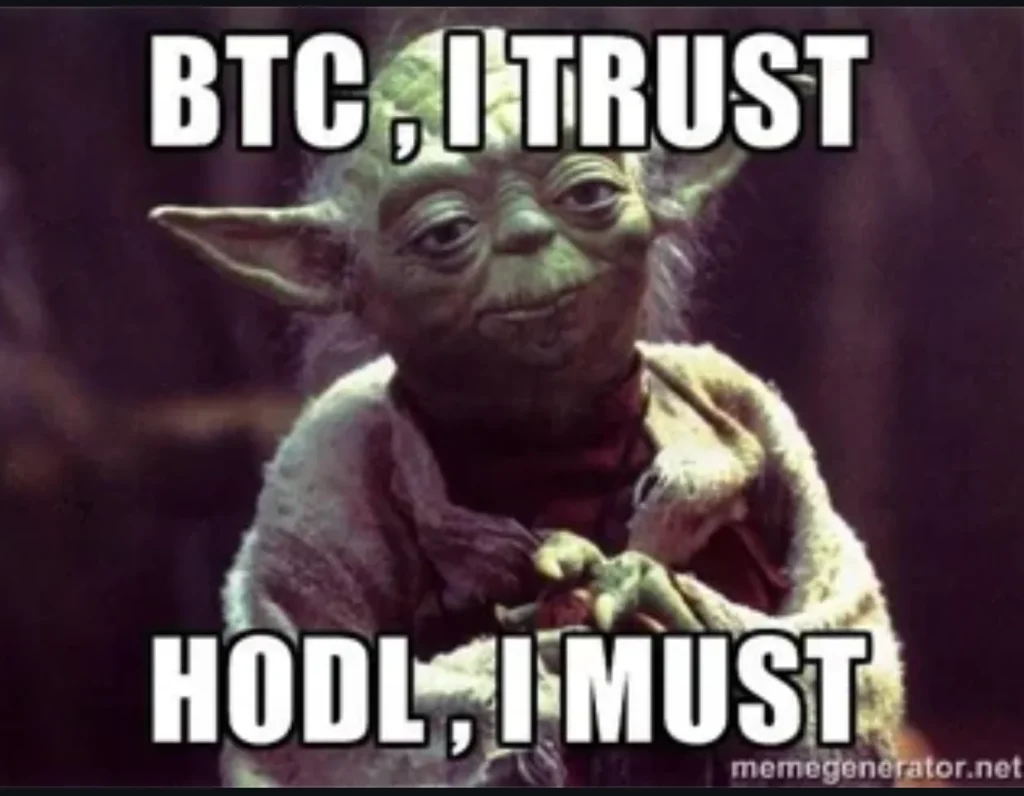
HODL started as a typo in a 2013 Bitcoin forum post titled “I AM HODLING”. The mistake instantly became legendary. Today, HODL represents a long-term belief, emotional strength, and the refusal to panic-sell during periods of volatility.
It’s one of the core values of crypto culture and is still used daily in market discussions.
2. Wen Lambo?
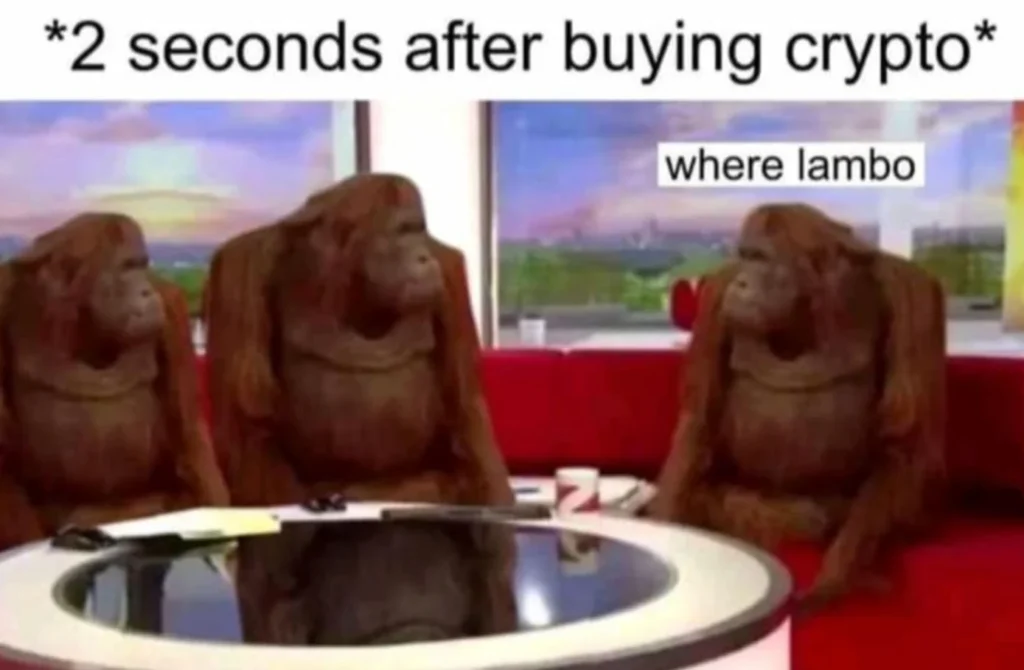
“When Lambo?” is the meme that traders use to joke about extreme wealth expectations. It reflects the mindset of investors hoping for overnight gains, and pokes fun at the unrealistic dream of becoming rich enough to buy a Lamborghini from a single pump.
3. Bitcoin Pizza Day
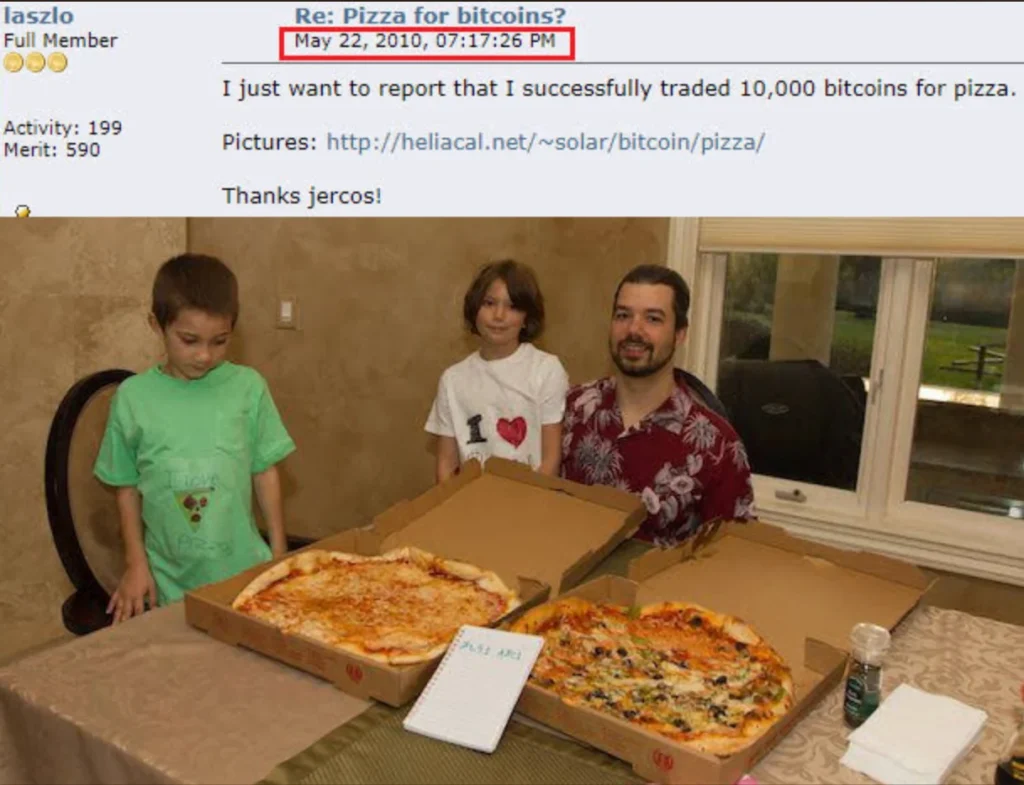
This meme commemorates the first real-world Bitcoin purchase: two pizzas bought for 10,000 BTC in 2010. It symbolizes how far crypto has come, reminding the community of both Bitcoin’s humble beginnings and the irony of missed fortune.
It’s celebrated every year on May 22.
4. To the Moon
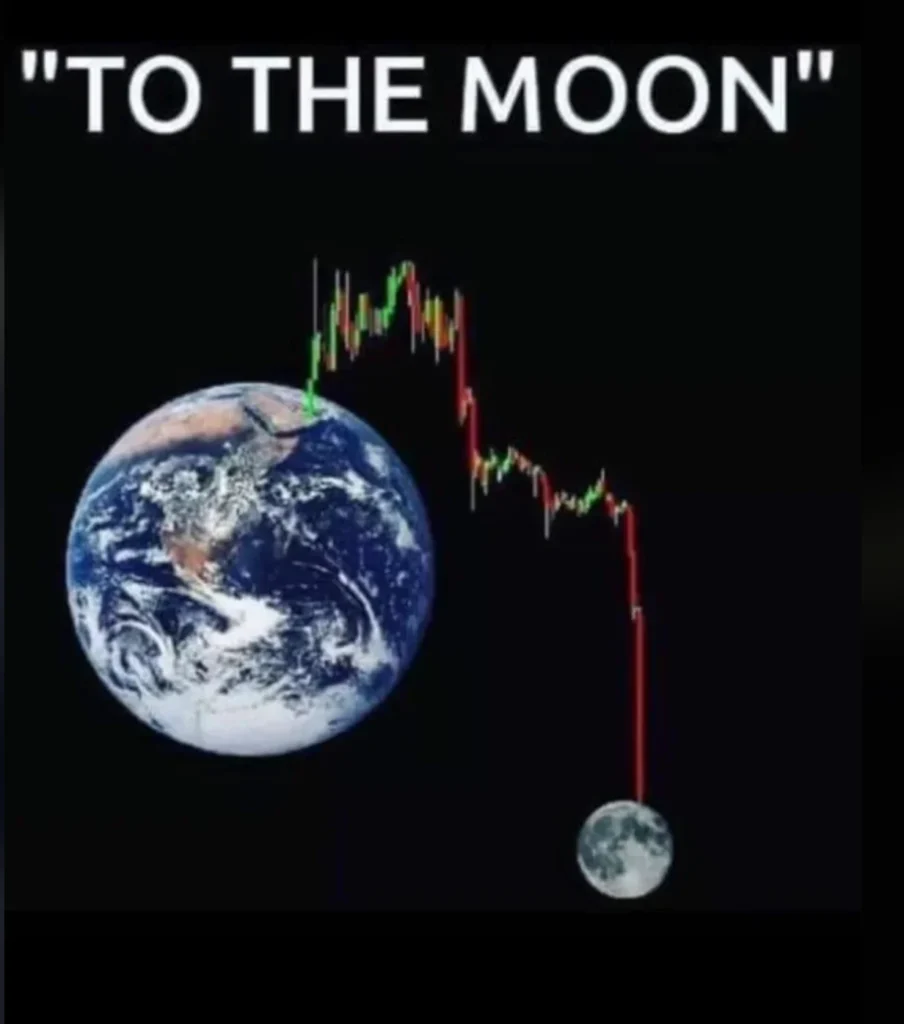
“To the Moon” expresses the belief that a coin’s price is about to skyrocket. Paired with rocket emojis, it reflects optimism, hype, and the community’s hope for massive gains fueled by the broader blockchain movement.
5. Number Go Up (NGU)

NGU, “Number Go Up”, is the simplest way to describe Bitcoin’s long-term trend. Despite short-term chaos, the meme suggests that prices eventually rise. It’s often used humorously when traders ignore fundamentals and focus only on the chart direction.
6. Bear vs. Bull (Wojak Edition)
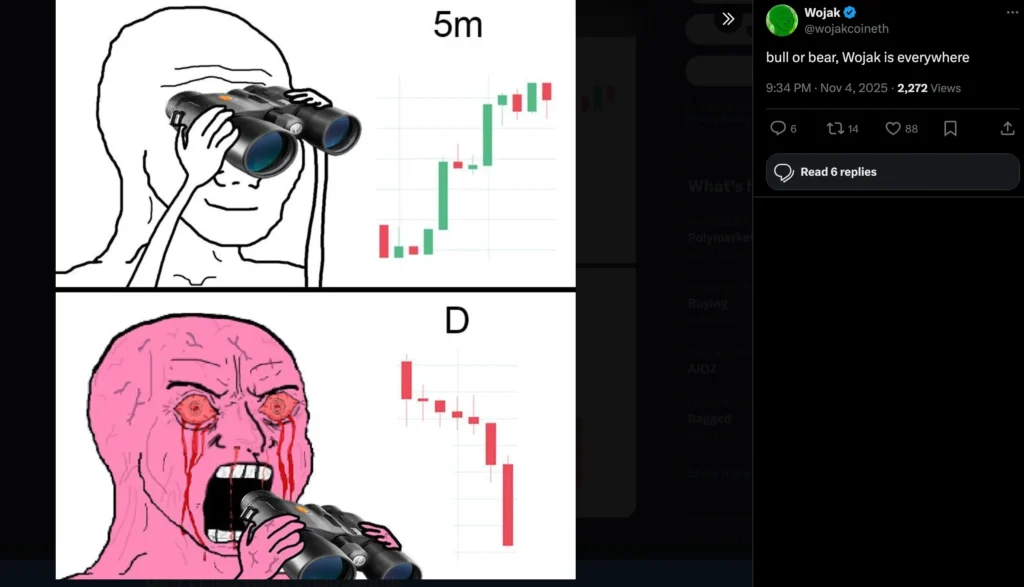
Wojak memes capture the emotional ups and downs of trading.
Bull Wojak is confident, hopeful, and ready for a market rally; Bear Wojak is fearful, stressed, and expecting a crash. These characters effectively illustrate market psychology in a visual and relatable way.
7. Buy the Dip
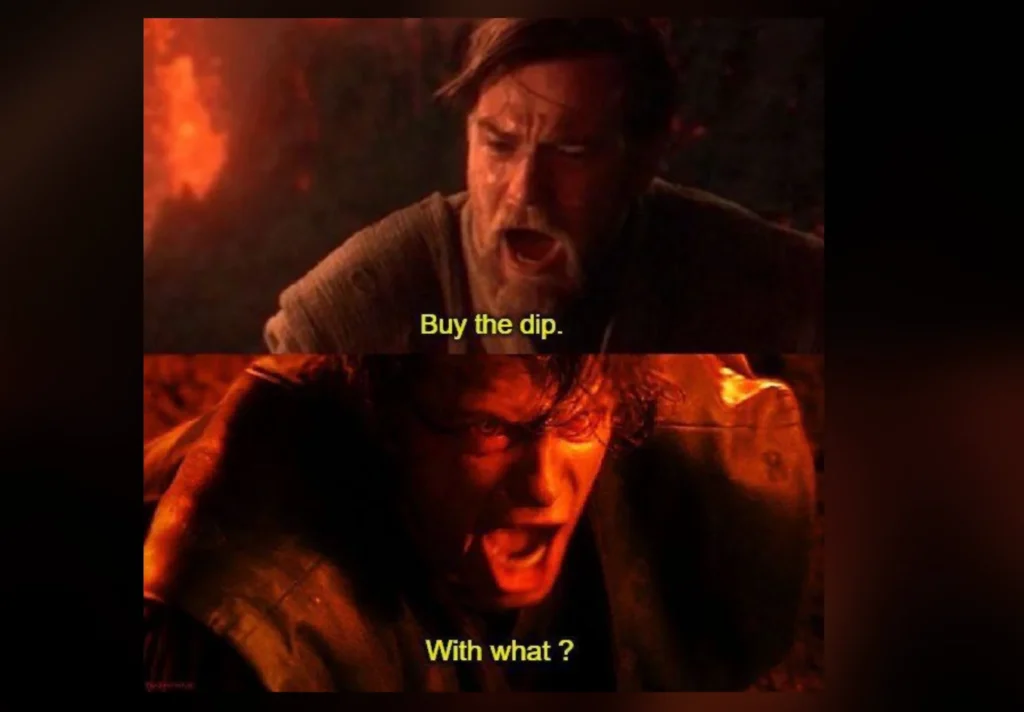
“Buy the Dip” encourages buying when prices fall, although sometimes the dip continues to decline. Used both seriously and ironically, the meme reflects investor optimism and the belief that temporary market fluctuations are opportunities for long-term growth.
8. “It’s Over / We’re So Back” Cycle
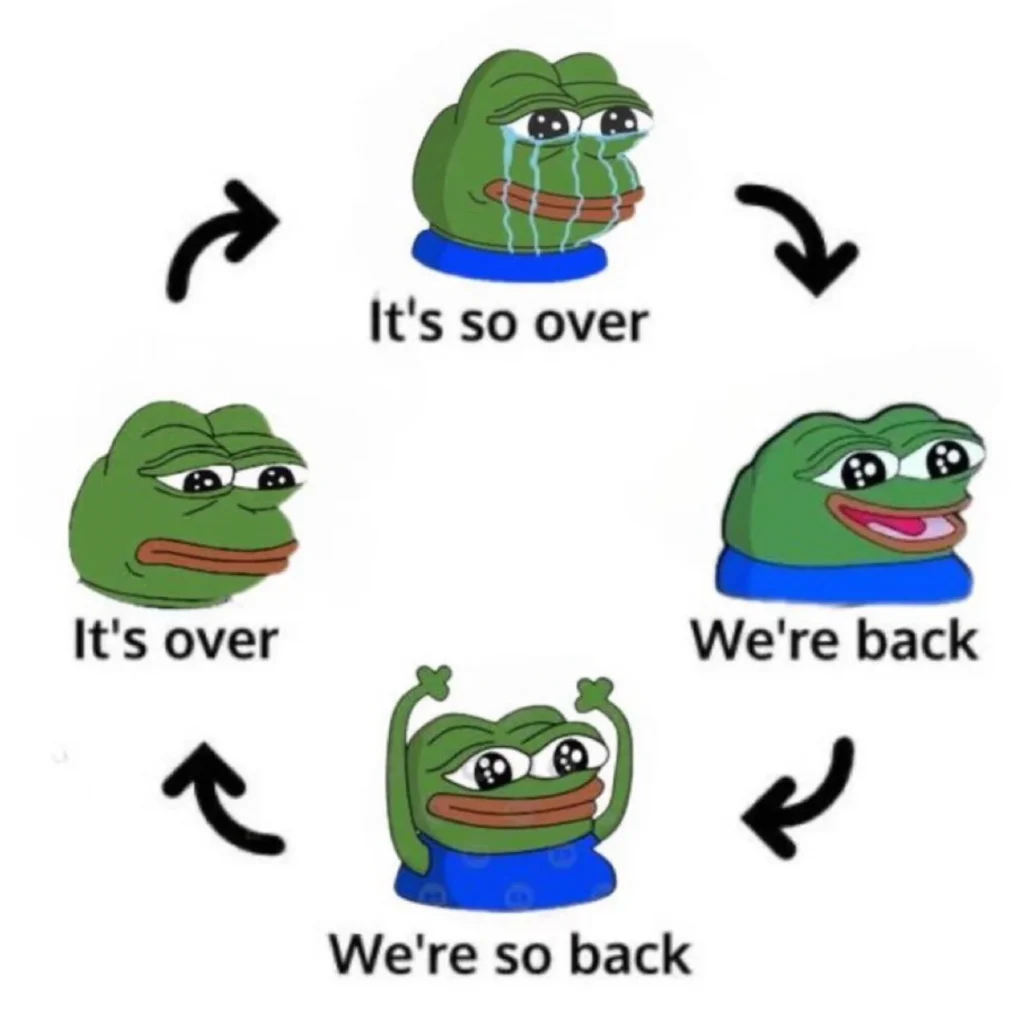
This meme illustrates how quickly sentiment can shift in the crypto market. A 2% dip triggers “It’s over,” while a tiny pump sparks “We’re so back.” It captures the dramatic emotional swings that define cryptocurrency communities, especially during volatile market conditions.
9. Pepe the Frog (Crypto Version)
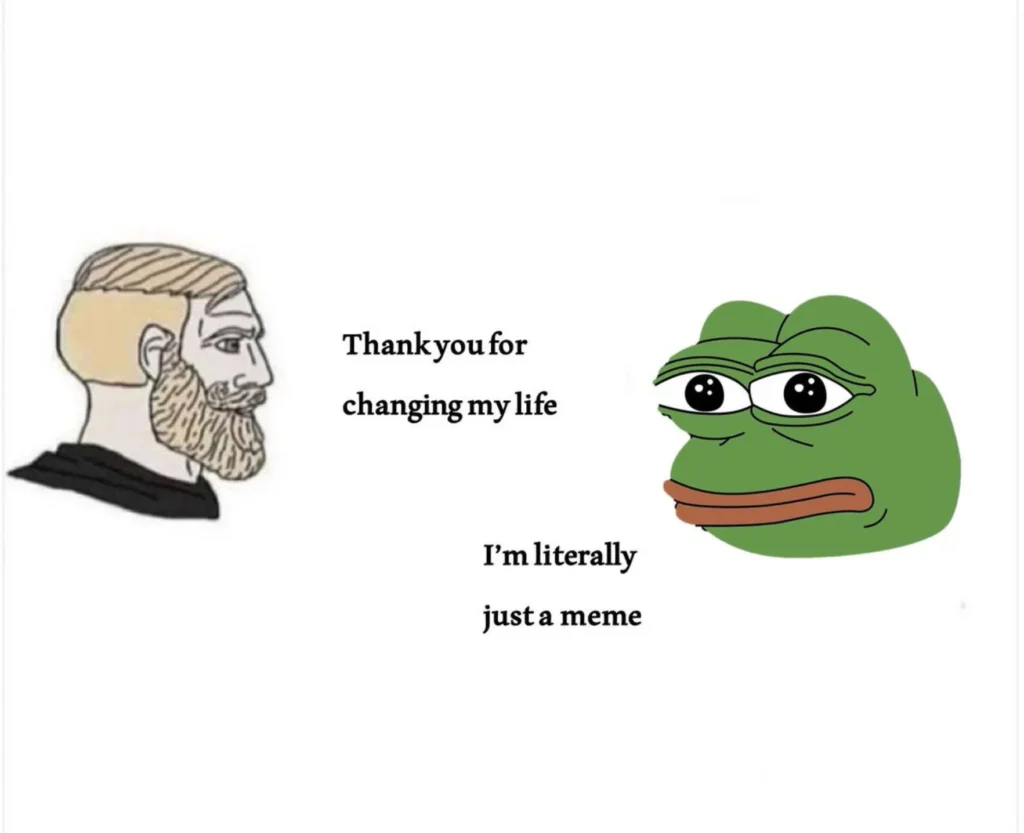
Pepe the Frog is one of the most iconic characters in crypto memes. Used to express everything from triumph to despair, Pepe appears in NFT culture, meme coin communities, and trading memes. His versatility makes him a universal symbol of crypto emotions.
10. Diamond Hands
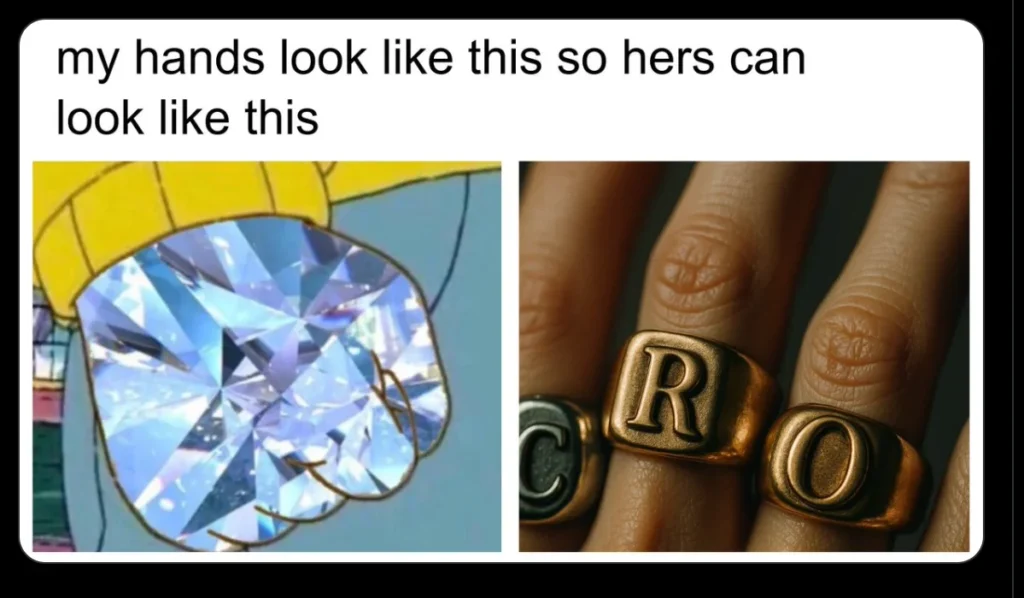
“Diamond Hands” refers to an individual who refuses to sell, regardless of how intense the market becomes. It celebrates bravery, conviction, and long-term belief, even when holding means weathering serious volatility.
11. Paper Hands
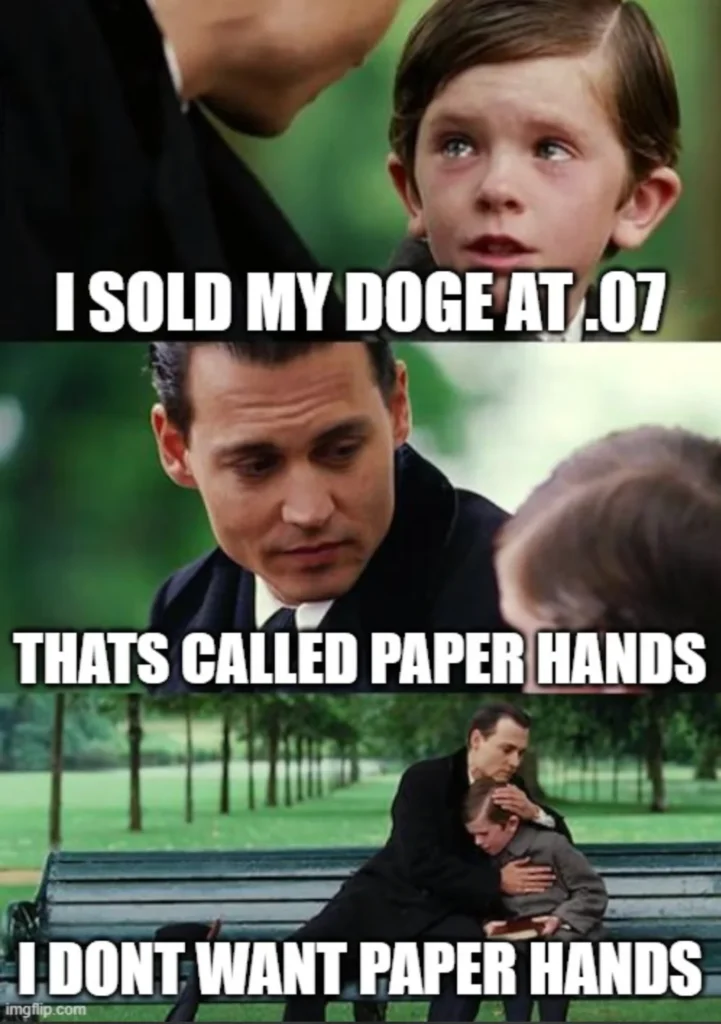
“Paper Hands” is the opposite of Diamond Hands. It humorously describes traders who panic-sell too early or exit positions at the first sign of trouble. It’s a friendly jab used throughout trading communities to reflect fear-based decisions.
12. WAGMI / NGMI
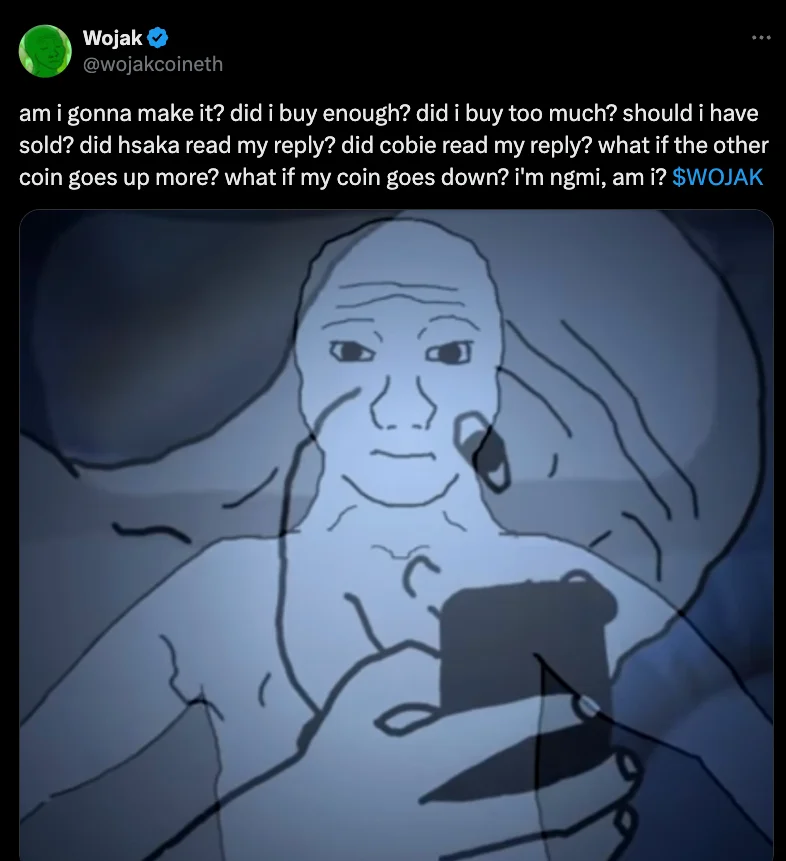
WAGMI (“We’re All Gonna Make It”) is a phrase of encouragement, often used during bullish sentiment or strong community wins. NGMI (“Not Gonna Make It”) is its sarcastic counterpart, used when someone makes a questionable decision that may result in financial loss or harm to their account.
Together, they capture the optimism and self-awareness of crypto culture.
13. This Is Fine (Crypto Edition)
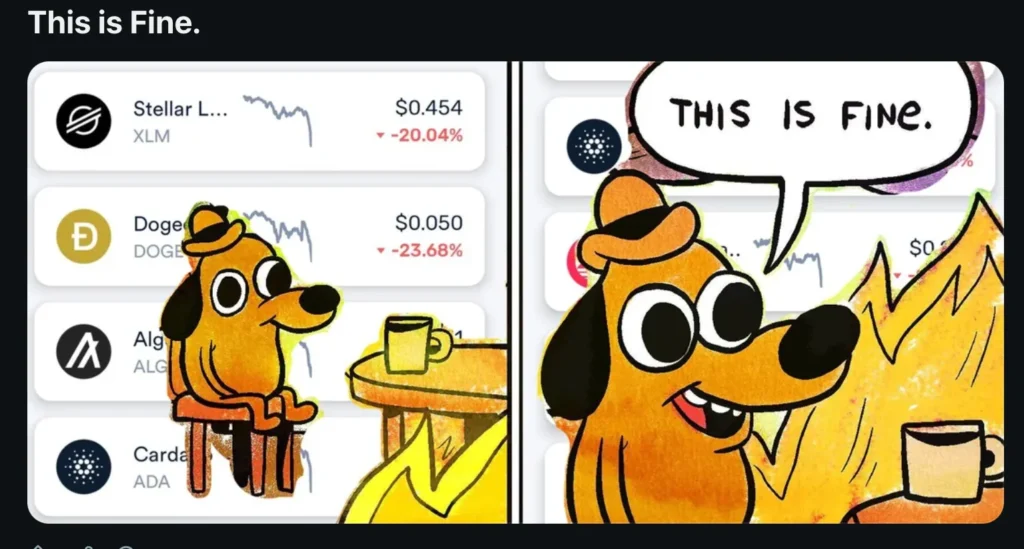
Borrowed from the famous comic, this meme features a dog sitting calmly in a burning room. In crypto, it’s used during severe market downturns, liquidations, exchange failures, or unexpected news, as a humorous way to acknowledge chaos while pretending everything is okay.
14. Bagholders
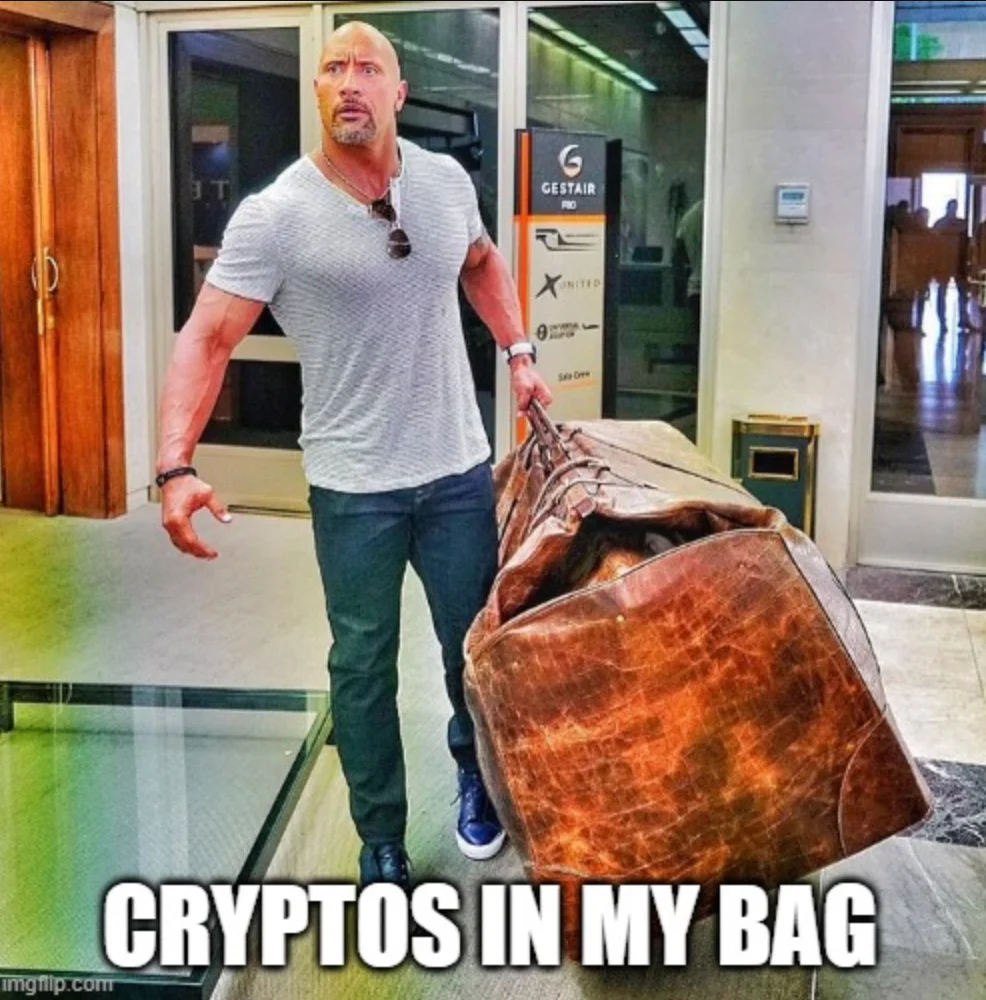
Bagholders are traders left holding coins that have dropped dramatically in value. Memes typically show a sad character carrying “bags” of worthless tokens. It’s a relatable representation of risky moves driven by attention and FOMO.
15. Doge / Dogecoin
The Shiba Inu from the original Doge meme became the face of Dogecoin, one of the most iconic and influential meme coins ever created. Doge represents humor, community power, and the unpredictable nature of crypto markets. Its playful tone helped promote the culture that later gained popularity.
The meme’s global rise was amplified significantly by public support from Elon Musk, whose tweets helped push Dogecoin into mainstream awareness.
FAQ
Crypto memes are humorous images, phrases, or characters that capture the emotions, trends, and shared experiences of the crypto community. Because they spread quickly among users on social platforms, they often influence how traders interpret market sentiment, especially when the purpose of the meme is to highlight a market trend.
Meme coins are cryptocurrencies inspired by popular memes or internet culture. Their value is often driven by community enthusiasm and viral trends rather than traditional utility. Popular examples include Dogecoin, Shiba Inu, and PEPE.
A meme usually goes viral when it’s relatable, easy to share, and perfectly timed with a market event or cultural moment. Humor plays a crucial role, as does community engagement on platforms such as X, Reddit, and TikTok.
Yes, meme coins can be sold or exchanged on any platform that supports them, provided there is sufficient liquidity. Traders can cash out into other cryptocurrencies or fiat currency. However, meme coins are highly volatile, so their value can change quickly.
Final Thoughts
Crypto memes distill the chaos, excitement, and emotion of the market into simple, relatable moments the entire community can share. They help traders stay grounded, find humor in volatility, and feel connected through every pump, dip, and unexpected twist.
As the crypto world evolves, these memes will continue to shape conversations and capture the culture of the space, proving that sometimes the best way to understand the market is to laugh at it.